

Hey there! As a supplier of the PET154 Lower Horizontal Forklift Truck, I often get asked about the kind of training required to operate this machine. In this blog post, I'll break down the key aspects of training so you can ensure your operators are well - equipped to handle the PET154 safely and efficiently.
Basic Safety Training
First off, safety is the name of the game when it comes to operating any forklift, and the PET154 is no exception. Operators need to be aware of general workplace safety rules. This includes wearing the appropriate personal protective equipment (PPE), like hard hats, safety shoes, and high - visibility vests.
They should also understand the importance of pre - shift inspections. Before hopping on the PET154, operators need to check things like the brakes, steering, mast, and forks. Any signs of damage or malfunction should be reported immediately. A simple pre - shift inspection can prevent a lot of potential accidents down the line.
Familiarization with the PET154
Next, operators need to get to know the PET154 inside out. They should learn about the different controls and their functions. The control panel of the PET154 is designed to be user - friendly, but it still takes some time to master. For example, they need to understand how to operate the lift and lower functions of the forks, as well as the tilt control.
The steering mechanism of the PET154 is also unique. It allows for precise maneuvering in tight spaces, but operators need to practice to get the hang of it. They should learn how to turn the forklift smoothly and how to use the different speed settings effectively.
Load Handling Training
One of the most important aspects of operating the PET154 is load handling. Operators need to know how to properly pick up, carry, and stack loads. First, they need to assess the weight and size of the load. The PET154 has a specific load capacity, and exceeding this can lead to instability and potential tip - overs.
When picking up a load, operators should make sure the forks are centered under the load and that the load is evenly distributed on the forks. They also need to be careful when lifting the load to avoid any sudden movements that could cause the load to shift.
Stacking loads requires a different set of skills. Operators need to know how to position the load at the correct height and angle to ensure a stable stack. They should also be aware of the maximum stacking height and the weight limits of the storage racks.
Operating in Different Environments
The PET154 can be used in a variety of environments, from warehouses to outdoor loading docks. Operators need to be trained to handle the forklift in different conditions.
In a warehouse, there are often narrow aisles and tight spaces. Operators need to learn how to navigate these areas safely, using the PET154's compact design to their advantage. They should also be aware of any obstacles, like columns or other equipment, and know how to avoid them.
Outdoor environments present different challenges. The surface may be uneven, and there may be more wind and weather factors to consider. Operators need to adjust their driving style accordingly. For example, they may need to drive more slowly on an uneven surface to maintain stability.
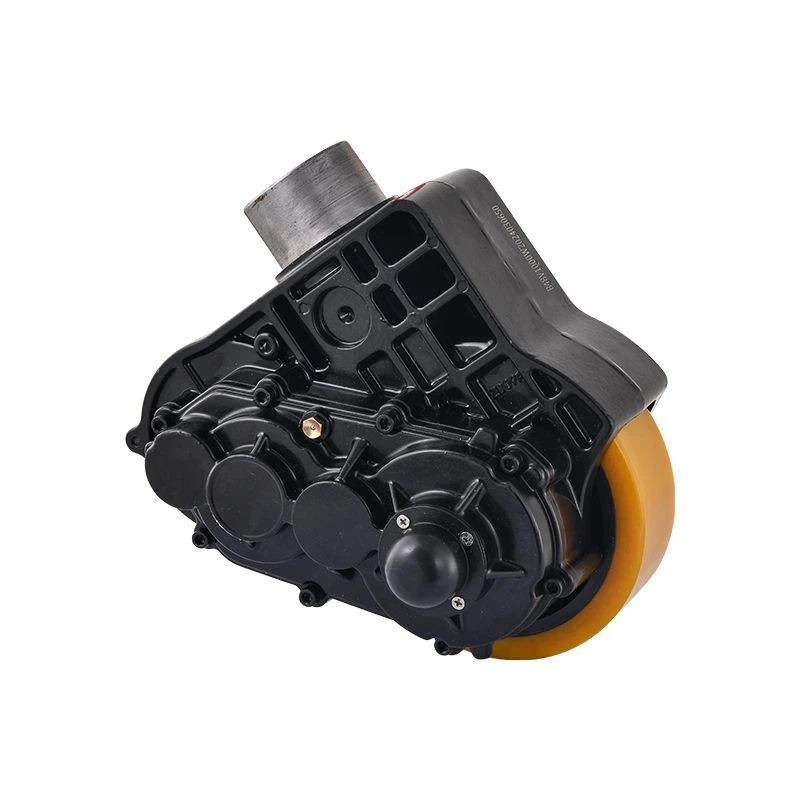

Maintenance and Troubleshooting Training
While our PET154 is built to be reliable, it's still important for operators to have some basic maintenance and troubleshooting skills. They should know how to perform simple maintenance tasks, like checking the battery (if it's an electric model) or adding hydraulic fluid.
In case of a breakdown, operators should be able to identify some common problems and take the appropriate steps. For example, if the forklift is making an unusual noise, they should know to stop the machine and report the issue.
Training Resources
There are several resources available for training operators to use the PET154. We offer in - house training programs where our experts can teach operators all the necessary skills. We also provide training manuals that cover everything from basic safety to advanced load - handling techniques.
In addition, there are online courses and videos that can supplement the in - house training. These resources can be a great way for operators to review the material and practice their skills at their own pace.
Recommended Forklift Motors
If you're looking to upgrade or replace the motor of your PET154, we recommend checking out the No.2 Push Handling Forklift Motor and the ZD09 Push Handling Forklift Motor. These motors are designed to provide reliable performance and can enhance the overall efficiency of your forklift.
Also, if you're interested in exploring other forklift models, take a look at the PET155 Upper Horizontal Forklift. It has some unique features that might be a great fit for your specific needs.
Wrapping Up
In conclusion, operating the PET154 Lower Horizontal Forklift Truck requires a combination of safety training, familiarization with the machine, load - handling skills, and the ability to operate in different environments. By providing comprehensive training to your operators, you can ensure that they are safe, efficient, and productive.
If you're interested in purchasing the PET154 or have any questions about training or maintenance, don't hesitate to reach out. We're here to help you make the most of your forklift investment. Let's start a conversation about how the PET154 can meet your material - handling needs.
References
- Forklift Safety Guidelines, Occupational Safety and Health Administration (OSHA)
- Forklift Operator Training Manual, Industry Standards Publication