

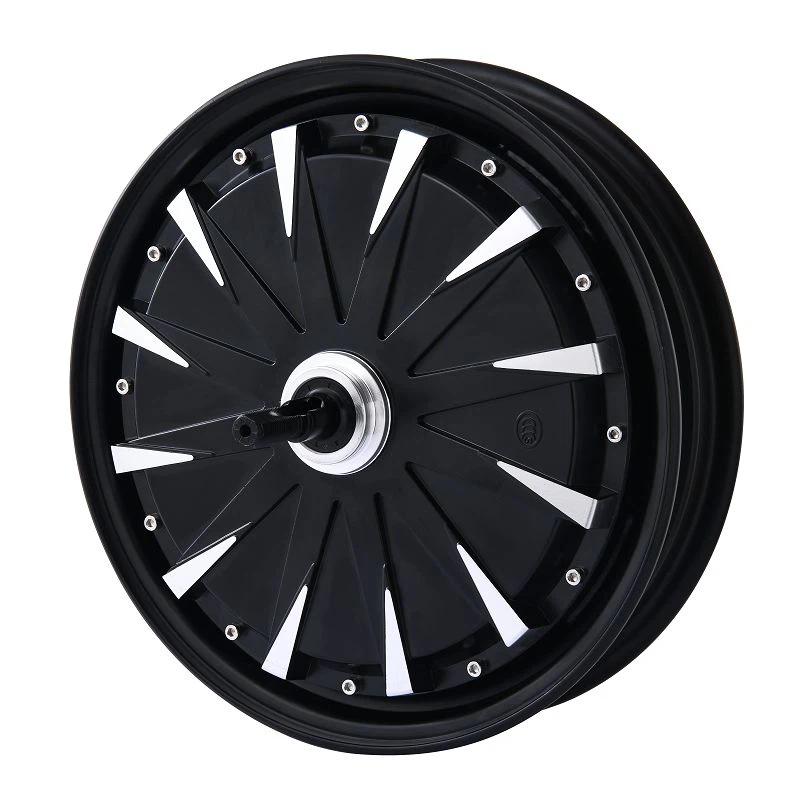
As a supplier of hub motors, I've witnessed firsthand the growing interest in these innovative power units across various industries, from electric bicycles to scooters and even small electric vehicles. One question that frequently comes up is, "How efficient are hub motors?" In this blog, I'll delve into the efficiency of hub motors, exploring the factors that influence it and how our products, such as the ZDL-04 Hub Motor, ZDL-03 Hub Motor, and ZDL-02 Hub Motor, stack up in terms of efficiency.
Understanding Hub Motor Efficiency
Efficiency in a motor is defined as the ratio of output power to input power, usually expressed as a percentage. In the context of hub motors, this means how effectively the motor converts electrical energy from the battery into mechanical energy to drive the wheels. A highly efficient hub motor will waste less energy as heat and use more of the input power to move the vehicle forward.
Several factors contribute to the efficiency of hub motors:
1. Motor Design
The design of the hub motor plays a crucial role in its efficiency. Permanent magnet brushless DC (BLDC) hub motors are commonly used due to their high efficiency, reliability, and low maintenance requirements. These motors use permanent magnets in the rotor and electronic commutation instead of brushes, which reduces friction and energy losses. Our ZDL series hub motors, for example, are designed with advanced BLDC technology to maximize efficiency.
2. Coil Material and Winding
The material used for the motor coils and the way they are wound can significantly impact efficiency. Copper is the most commonly used material for coils due to its high electrical conductivity, which reduces resistance and energy losses. Additionally, proper winding techniques can ensure uniform distribution of the magnetic field, improving the motor's performance. Our hub motors are equipped with high - quality copper coils and precision winding to enhance efficiency.
3. Magnetic Circuit Design
The design of the magnetic circuit affects the motor's ability to generate torque efficiently. A well - designed magnetic circuit minimizes magnetic leakage and maximizes the magnetic flux density, resulting in higher torque output with less input power. Our engineering team has optimized the magnetic circuit design of our hub motors to achieve superior efficiency.

4. Load and Speed
The efficiency of a hub motor varies depending on the load it is carrying and the speed at which it is operating. Hub motors typically have an optimal operating point where they achieve the highest efficiency. At low speeds and light loads, the motor may be less efficient due to factors such as core losses and friction. Conversely, at high speeds and heavy loads, the motor may also experience reduced efficiency due to increased electrical and mechanical losses. Our hub motors are designed to have a wide range of efficient operation to accommodate different applications.
Measuring Hub Motor Efficiency
To accurately measure the efficiency of a hub motor, several tests can be conducted. One common method is to measure the input power (electrical power) using a power meter and the output power (mechanical power) using a dynamometer. The efficiency is then calculated as the ratio of output power to input power.
In real - world applications, factors such as road conditions, wind resistance, and the weight of the vehicle can also affect the overall efficiency of the hub motor. For example, riding on a hilly terrain or against a strong headwind will require more power from the motor, reducing its efficiency.
Efficiency of Our Hub Motors
Our company is committed to providing high - efficiency hub motors. The ZDL-04 Hub Motor is designed for high - speed electric motorcycles. It features a state - of - the - art BLDC design, high - quality copper coils, and an optimized magnetic circuit. In laboratory tests, this motor has achieved an efficiency of up to 90% at its optimal operating point. This means that 90% of the electrical energy from the battery is converted into mechanical energy to drive the wheels, with only 10% being lost as heat.
The ZDL-03 Hub Motor is suitable for mid - range electric scooters. It offers a balance between power and efficiency, with an efficiency of around 88% at its optimal load and speed. This motor is engineered to provide reliable performance while minimizing energy consumption.
The ZDL-02 Hub Motor is designed for electric bicycles. It has an efficiency of approximately 85% at its optimal operating conditions. This motor is lightweight and compact, making it ideal for electric bicycles where space and weight are important considerations.
Benefits of High - Efficiency Hub Motors
Using high - efficiency hub motors offers several benefits:
1. Longer Battery Life
Since high - efficiency motors waste less energy as heat, they require less electrical energy from the battery to perform the same amount of work. This means that the battery will last longer between charges, providing a greater range for electric vehicles.
2. Reduced Operating Costs
Less energy consumption translates into lower electricity bills for users of electric vehicles. Over time, the savings can be significant, especially for commercial applications where vehicles are used frequently.
3. Environmental Friendliness
High - efficiency hub motors contribute to a more sustainable future by reducing the overall energy consumption of electric vehicles. This helps to lower greenhouse gas emissions and decrease our reliance on fossil fuels.
Conclusion
In conclusion, the efficiency of hub motors is influenced by various factors, including motor design, coil material, magnetic circuit design, load, and speed. Our company offers a range of high - efficiency hub motors, such as the ZDL-04 Hub Motor, ZDL-03 Hub Motor, and ZDL-02 Hub Motor, which are designed to provide optimal performance and energy savings.
If you're in the market for high - efficiency hub motors for your electric vehicles, we'd love to discuss your specific requirements. Whether you're a manufacturer of electric bicycles, scooters, or small electric vehicles, our team of experts can help you find the right motor solution. Contact us today to start a conversation about your procurement needs.
References
- "Electric Motor Handbook", Second Edition, Edited by M. Godfrey, P. Sergeant, and J. Lang.
- "Permanent Magnet Brushless DC Motors: Principles and Applications", by T. Kenjo and S. Nagamori.