

As a reputable supplier of the ZDL - 04 Hub Motor, ensuring the high - performance and reliability of our product is of utmost importance. This blog post will guide you through the process of testing the performance of the ZDL - 04 Hub Motor, which helps you make informed decisions when it comes to purchasing and using this excellent motor.
1. Understanding the ZDL - 04 Hub Motor
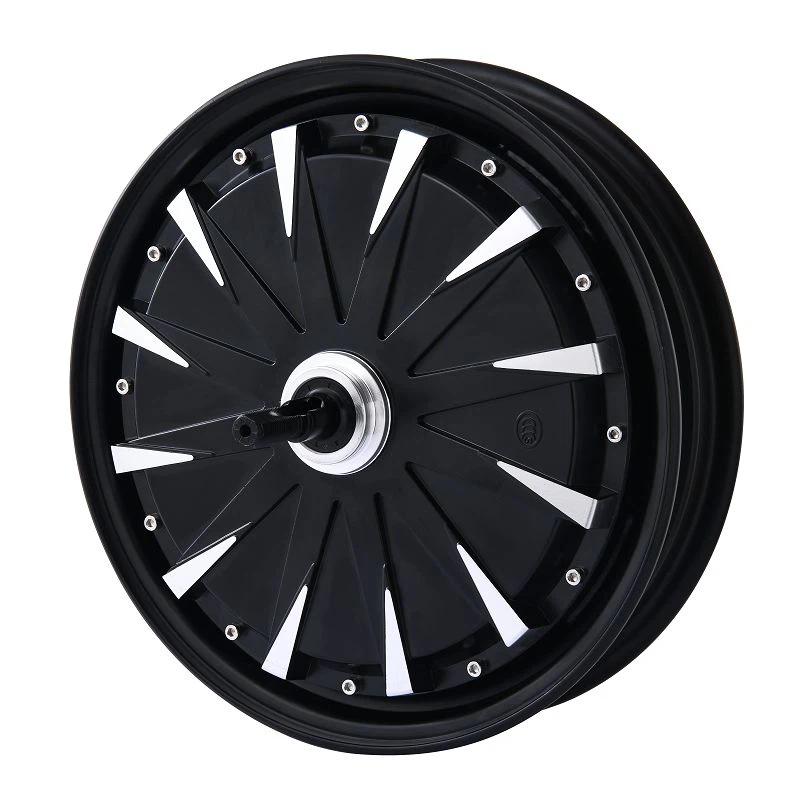
Before diving into the testing process, it's essential to have a basic understanding of the ZDL - 04 Hub Motor. This motor is designed for high - speed electric motorcycles, offering remarkable power and efficiency. It is the result of years of research and development, featuring advanced technologies that enable it to stand out in the market.
In comparison with other models in our series, such as the ZDL - 01 Hub Motor and the ZDL - 02 Hub Motor, the ZDL - 04 has improvements in terms of power output, heat dissipation, and control precision. Its high - torque characteristics provide smoother acceleration and better climbing ability, making it an ideal choice for various riding scenarios.
2. Preparation for Testing
2.1. Safety First
Safety should always be the top priority when testing the motor. Ensure that you are wearing appropriate protective gear, including safety glasses, gloves, and a helmet. Also, testing should be conducted in a well - ventilated area, away from flammable materials and high - traffic areas.
2.2. Necessary Equipment
- Power Supply: A stable and adjustable power supply that can match the rated voltage and current of the ZDL - 04 Hub Motor is required. Make sure to select a power supply with proper over - current and over - voltage protection features.
- Load Equipment: A dynamometer is the most commonly used load equipment. It can simulate different load conditions for the motor, such as different speeds and torques.
- Measurement Tools: You will need multimeters to measure electrical parameters like voltage, current, and resistance. Tachometers can be used to measure the rotational speed of the motor, and thermometers are essential for monitoring the motor's temperature during operation.
3. Basic Electrical Parameter Testing
3.1. Resistance Measurement
Use a multimeter to measure the resistance of the motor windings. Disconnect the motor from the power supply and test the resistance between different terminals. The measured resistance values should be within the specified range provided in the motor's technical documentation. Abnormal resistance may indicate issues such as short - circuits or open - circuits in the windings.
3.2. Voltage and Current Testing at No - Load
Connect the ZDL - 04 Hub Motor to the power supply and set it to the rated voltage. With the motor running at no - load (without an external load), use multimeters to measure the input voltage and current. The current value at no - load is an important indicator of the motor's internal losses. A significantly higher than normal no - load current may suggest problems like mechanical friction or electrical inefficiencies within the motor.
4. Performance Testing under Load
4.1. Torque and Power Testing
Employ the dynamometer to apply different loads to the motor gradually. Start from a low load and increase it step - by - step while measuring the torque and rotational speed. The motor's power can be calculated using the formula (P = T\times\omega), where (P) is power, (T) is torque, and (\omega) is the angular velocity. By plotting the torque - speed curve and power - speed curve, you can evaluate the motor's performance under different operating conditions. The maximum torque and power values should meet or exceed the specifications provided.
4.2. Efficiency Testing
Efficiency is a crucial performance metric for the motor. It can be calculated by dividing the output power (measured by the dynamometer) by the input power (calculated from the measured voltage and current). A higher - efficiency motor consumes less energy and generates less heat. During the load - increasing process, record the efficiency values at different operating points. The ZDL - 04 Hub Motor is designed to have high efficiency across a wide range of operating conditions, and the test results should reflect this characteristic.
5. Thermal Performance Testing
5.1. Temperature Rise Testing
Run the motor under a continuous rated load for a certain period. Use thermometers to measure the temperature at different parts of the motor, such as the windings, the housing, and the bearings. The temperature rise should be within the allowable limits specified in the technical documentation. Excessive temperature rise can lead to insulation degradation, reduced motor lifespan, and even safety hazards.

5.2. Heat Dissipation Testing
After the motor reaches a stable temperature under load, observe how quickly it cools down when the power is turned off. A well - designed motor like the ZDL - 04 has efficient heat dissipation mechanisms, such as cooling fins or a built - in cooling fan. Faster cooling indicates better heat dissipation performance.
6. Control and Response Testing
6.1. Speed Control Testing
Use a motor controller to adjust the motor's speed. Test the motor's ability to reach and maintain different set speeds accurately. The response time from the moment the speed command is issued to the motor reaching the desired speed should be short. A smooth and stable speed adjustment process is a sign of good control performance.
6.2. Acceleration and Deceleration Testing
Test the motor's acceleration and deceleration capabilities. Measure the time it takes for the motor to accelerate from a low speed to a high speed and vice versa. The ZDL - 04 Hub Motor should be able to provide smooth and rapid acceleration and deceleration, which is crucial for the riding experience of electric motorcycles.
7. Long - Term Reliability Testing
7.1. Continuous Operation Testing
Run the motor continuously at the rated load for an extended period, such as several hours or even days. This test can help detect potential issues that may occur during long - term use, such as wear and tear of components, overheating, or electrical failures.
7.2. Cycling Testing
Perform multiple cycles of startup, running, and shutdown on the motor. This simulates real - world usage scenarios where the motor is frequently started and stopped. Monitor the motor's performance and any signs of degradation during the cycling process.
Conclusion
Testing the performance of the ZDL - 04 Hub Motor is a comprehensive process that involves multiple aspects, including electrical parameters, performance under load, thermal performance, control and response, and long - term reliability. Through these detailed tests, you can fully understand the capabilities and potential issues of the motor.
If you are interested in our ZDL - 04 Hub Motor or other products in our series, feel free to start a conversation with our sales team. We are always ready to provide you with more detailed product information and technical support to help you make the best choice for your electric motorcycle.
References
- Electric Motor Handbook, published by [publisher name].
- Technical documentation of ZDL - 04 Hub Motor, provided by the supplier.