

Are hub motors suitable for long - distance travel?
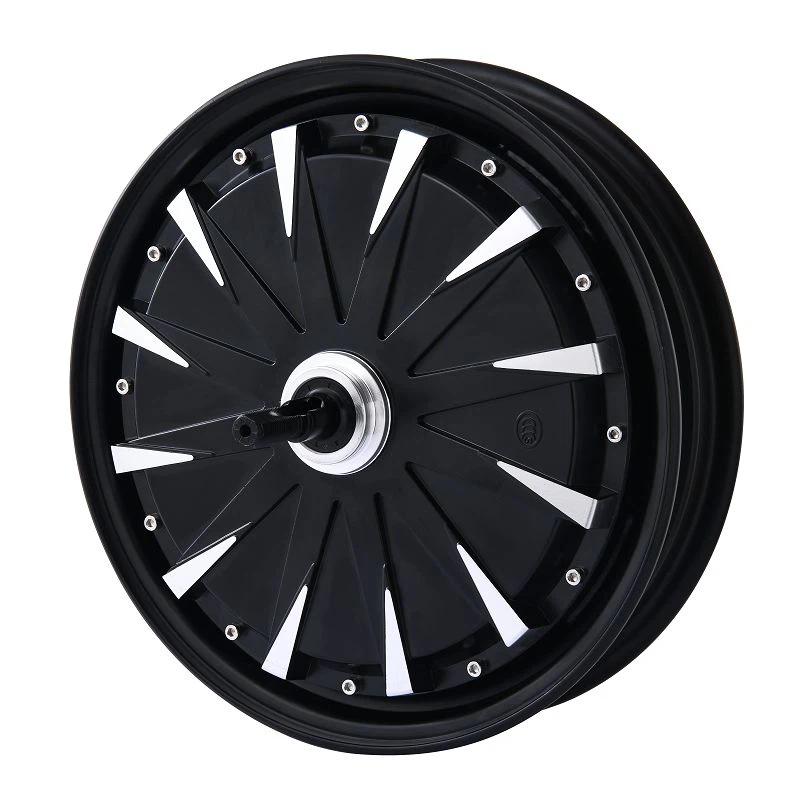

As a supplier of hub motors, I've often been asked whether our products are suitable for long - distance travel. This is a crucial question for many customers, especially those who are planning extended trips on electric vehicles. In this blog, I'll delve into the factors that determine the suitability of hub motors for long - distance travel, weighing their advantages and disadvantages.
Advantages of Hub Motors for Long - Distance Travel
1. Efficiency
One of the primary benefits of hub motors is their high efficiency. Hub motors are directly integrated into the wheel, eliminating the need for complex transmission systems such as chains, belts, or gears. This direct - drive mechanism reduces energy losses that typically occur in traditional drivetrains. For long - distance travel, where energy conservation is key, this efficiency can significantly extend the vehicle's range. Our ZDL - 01 Hub Motor is designed with advanced magnetic materials and optimized winding patterns to maximize efficiency, ensuring that every bit of electrical energy is converted into useful mechanical power.
2. Compactness and Lightweight
Hub motors are inherently compact and lightweight. Their integration into the wheel reduces the overall weight of the vehicle and eliminates the need for additional space for a separate motor and transmission. This is particularly beneficial for long - distance travel, as a lighter vehicle requires less energy to move. The reduced weight also improves the vehicle's handling and maneuverability, making it easier to navigate through different terrains during a long journey. Our ZDL - 02 Hub Motor is engineered to be as lightweight as possible without compromising on power, contributing to an overall more efficient and agile vehicle.
3. Simplified Maintenance
Long - distance travel means that the vehicle is exposed to various conditions and is more likely to encounter wear and tear. Hub motors simplify maintenance compared to traditional drivetrains. With no chains, belts, or gears to adjust or replace, there are fewer components that can fail. This reduces the likelihood of breakdowns during a long trip and makes maintenance easier and more cost - effective. In the event of a problem, our technical support team can provide guidance on how to quickly diagnose and fix issues with our ZDL - 04 Hub Motor or any of our other products.
4. Regenerative Braking
Many hub motors are equipped with regenerative braking systems. When the vehicle brakes, the motor acts as a generator, converting the kinetic energy of the moving vehicle back into electrical energy and storing it in the battery. This feature is extremely useful for long - distance travel, as it can recharge the battery during the journey, extending the vehicle's range. Our hub motors are designed with highly efficient regenerative braking systems that can recover a significant amount of energy, making them an ideal choice for long - distance electric vehicles.
Disadvantages of Hub Motors for Long - Distance Travel
1. Heat Dissipation
During long - distance travel, hub motors are continuously under load, which can lead to overheating. Heat can reduce the motor's efficiency and lifespan. Unlike traditional motors that are often located in a well - ventilated area, hub motors are enclosed within the wheel, making it more challenging to dissipate heat. To address this issue, our engineers have developed advanced cooling technologies for our hub motors. For example, some of our models are equipped with internal cooling channels that allow for better heat transfer, ensuring that the motor operates at an optimal temperature even during extended use.
2. Limited Torque at Low Speeds
Hub motors typically have limited torque at low speeds. This can be a problem when starting from a standstill or climbing steep hills, which are common scenarios during long - distance travel. To overcome this limitation, we have designed our hub motors with advanced control algorithms that can optimize torque output at different speeds. Additionally, our high - power models, such as the ZDL - 04 Hub Motor, are capable of delivering sufficient torque even at low speeds, ensuring smooth acceleration and performance.
3. Dependency on Battery Capacity
Long - distance travel requires a sufficient battery capacity to power the vehicle. Hub motors, like all electric motors, are dependent on the battery's energy storage. If the battery capacity is insufficient, the vehicle's range will be limited. As a supplier, we work closely with battery manufacturers to ensure that our hub motors are compatible with high - capacity batteries. We also provide customers with detailed information on battery requirements and range estimates based on different usage scenarios to help them plan their long - distance trips effectively.
Real - World Considerations for Long - Distance Travel
When considering using hub motors for long - distance travel, several real - world factors need to be taken into account.
1. Terrain
The terrain of the travel route plays a significant role in the performance of hub motors. Flat and smooth roads are ideal for hub motors, as they allow the motor to operate at a consistent speed and efficiency. However, hilly or rough terrains can put more stress on the motor, reducing its efficiency and range. Before embarking on a long - distance trip, it's important to research the terrain of the route and choose a hub motor with sufficient power and torque to handle the challenges.
2. Weather Conditions
Weather conditions can also affect the performance of hub motors. Extreme heat can cause overheating, while cold temperatures can reduce the battery's capacity. Our hub motors are designed to operate within a wide range of temperatures, but it's still important to take precautions during long - distance travel. For example, in hot weather, it's advisable to take breaks to allow the motor to cool down, and in cold weather, to keep the battery warm.
3. Charging Infrastructure
The availability of charging infrastructure is a critical factor for long - distance travel. Without a reliable network of charging stations, the vehicle's range becomes a major limitation. As the demand for electric vehicles grows, the charging infrastructure is also improving. However, it's still important to plan the route in advance and identify charging stations along the way. Some of our customers have found it useful to use mobile apps that provide real - time information on charging station locations and availability.
Conclusion
In conclusion, hub motors have both advantages and disadvantages when it comes to long - distance travel. Their efficiency, compactness, simplified maintenance, and regenerative braking make them a viable option for many long - distance travelers. However, issues such as heat dissipation, limited torque at low speeds, and dependency on battery capacity need to be carefully considered.
As a hub motor supplier, we are committed to providing high - quality products that are suitable for long - distance travel. Our team of engineers is constantly working on improving the performance and reliability of our hub motors. We offer a range of models, including the ZDL - 01 Hub Motor, ZDL - 02 Hub Motor, and ZDL - 04 Hub Motor, each designed to meet different customer needs.
If you are planning a long - distance trip with an electric vehicle or are interested in incorporating hub motors into your vehicle design, we would love to have a discussion with you. Our sales team is ready to provide you with detailed product information, technical support, and pricing. Contact us to start a procurement discussion and find the perfect hub motor solution for your long - distance travel needs.
References
- "Electric Vehicle Technology Explained" by John Heywood
- "Advanced Electric Drive Vehicles" by Steve LeBlanc
- Industry reports on electric vehicle motor technologies