

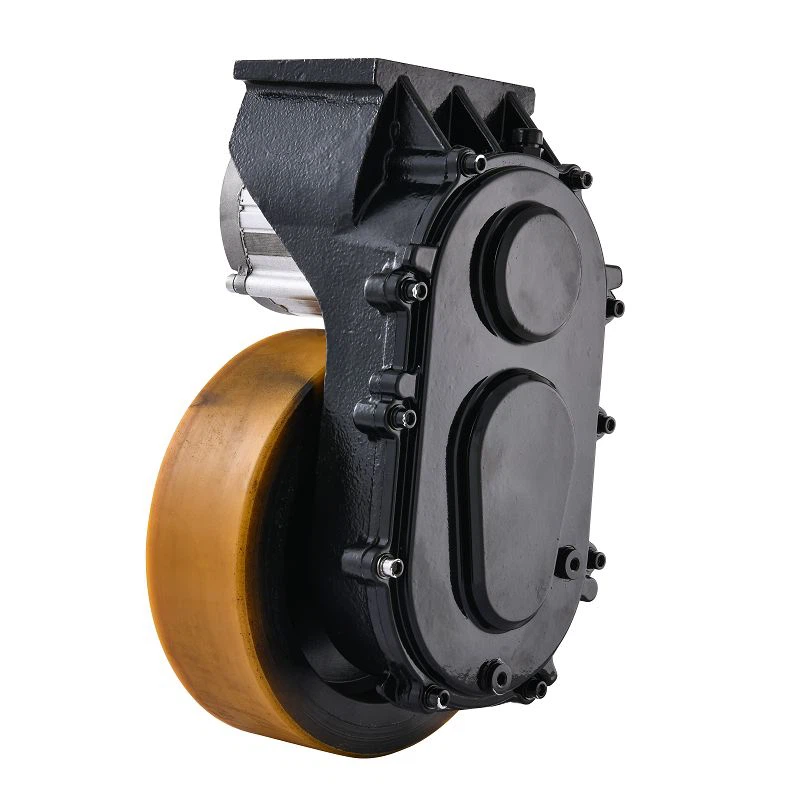
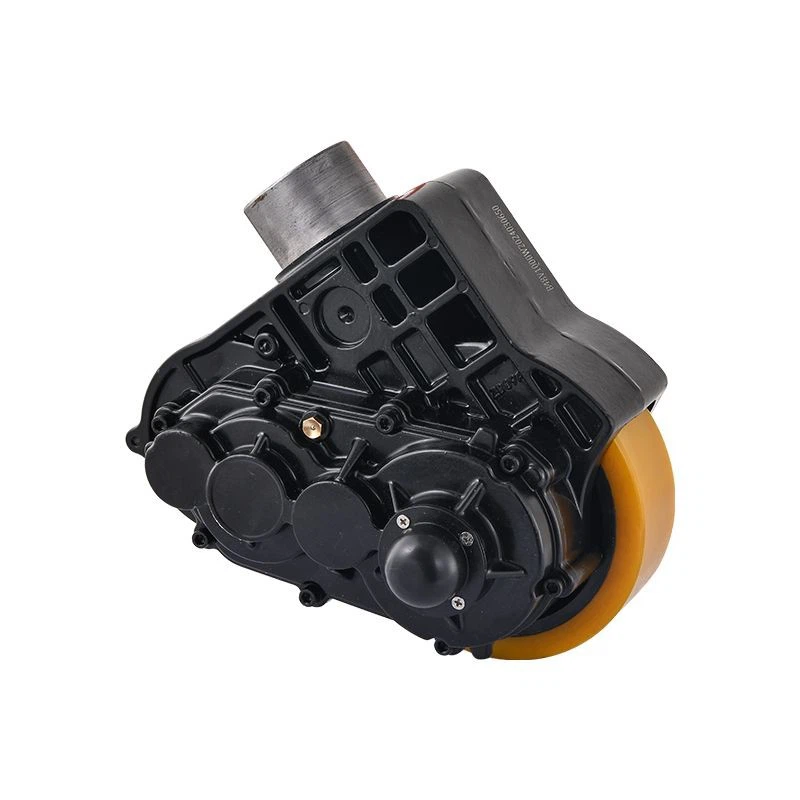
Troubleshooting the No.2 Push Handling Forklift Motor is a crucial skill for anyone involved in the operation and maintenance of forklifts. As a supplier of the No.2 Push Handling Forklift Motor, I have encountered various issues with these motors over the years. In this blog, I will share some of the common problems and their solutions to help you keep your forklift motor running smoothly.
Understanding the No.2 Push Handling Forklift Motor
Before we dive into troubleshooting, it's important to have a basic understanding of the No.2 Push Handling Forklift Motor. This motor is designed to provide the necessary power for pushing and handling heavy loads. It is a key component in the forklift's operation, and any malfunction can lead to a significant reduction in productivity.
The No.2 Push Handling Forklift Motor is typically powered by an electric or a hydraulic system. Electric motors are more common as they are quieter, more energy - efficient, and require less maintenance. Hydraulic motors, on the other hand, are known for their high torque and power, making them suitable for heavy - duty applications.
Common Problems and Their Solutions
1. Motor Not Starting
One of the most common issues with the No.2 Push Handling Forklift Motor is that it fails to start. There can be several reasons for this problem.
-
Electrical Issues
- Blown Fuses: Check the fuse box of the forklift. A blown fuse can cut off the power supply to the motor. Replace the fuse with a new one of the same rating.
- Loose Connections: Inspect all the electrical connections, including the battery terminals, motor terminals, and wiring harnesses. Loose connections can cause a poor electrical contact, preventing the motor from starting. Tighten any loose connections using the appropriate tools.
- Faulty Key Switch or Relay: The key switch or relay might be malfunctioning. Test these components using a multimeter. If they are faulty, replace them with new ones.
-
Mechanical Issues
- Seized Motor: If the motor is seized, it won't start. This can be due to lack of lubrication, overheating, or damage to the internal components. Try to manually rotate the motor shaft. If it doesn't turn, it might be seized. In this case, you may need to disassemble the motor and inspect the internal parts for damage.
2. Motor Overheating
Overheating is another common problem with the No.2 Push Handling Forklift Motor. Overheating can lead to premature wear and tear of the motor components and even cause a complete motor failure.
- Poor Ventilation
- The motor needs proper ventilation to dissipate heat. Check the ventilation channels and ensure they are not blocked by dust, dirt, or debris. Clean the ventilation channels regularly to maintain proper airflow.
- Overloading
- Operating the forklift with a load that exceeds the motor's capacity can cause the motor to overheat. Make sure to follow the forklift's load capacity specifications. If you need to handle heavier loads, consider upgrading to a more powerful motor such as the ZD09 Push Handling Forklift Motor.
- Faulty Cooling System
- If the forklift has a cooling system for the motor, such as a radiator or a fan, check if it is working properly. A malfunctioning cooling system can cause the motor to overheat. Inspect the radiator for leaks and the fan for proper rotation. Replace any faulty components.
3. Reduced Power Output
If you notice that the No.2 Push Handling Forklift Motor is not providing the same level of power as before, there are several potential causes.
- Worn Brushes (for Electric Motors)
- In electric motors, worn brushes can lead to a reduced power output. Brushes are responsible for conducting electricity to the motor's commutator. Over time, they wear down and need to be replaced. Inspect the brushes and replace them if they are worn beyond the recommended limit.
- Low Hydraulic Pressure (for Hydraulic Motors)
- In hydraulic motors, low hydraulic pressure can result in reduced power. Check the hydraulic fluid level and ensure it is at the correct level. Also, inspect the hydraulic hoses for leaks and the pump for proper operation. If the hydraulic pressure is still low after checking these components, there might be a problem with the hydraulic control valve.
4. Unusual Noises
Unusual noises coming from the No.2 Push Handling Forklift Motor can indicate a serious problem.
- Bearing Noise
- Worn or damaged bearings can produce a grinding or whining noise. If you hear such noises, stop the forklift immediately and inspect the bearings. Replace any damaged bearings as soon as possible to prevent further damage to the motor.
- Internal Component Damage
- Loose or damaged internal components, such as gears or shafts, can also cause unusual noises. Disassemble the motor and inspect the internal components for damage. Replace any damaged parts.
Preventive Maintenance
To avoid these problems, it's important to perform regular preventive maintenance on the No.2 Push Handling Forklift Motor.
- Regular Inspections
- Conduct regular visual inspections of the motor, checking for any signs of wear, damage, or loose connections. Inspect the electrical components, wiring, and mechanical parts.
- Lubrication
- For motors with moving parts, proper lubrication is essential. Follow the manufacturer's recommendations for lubrication intervals and use the appropriate lubricant.
- Cleaning
- Keep the motor clean by removing dust, dirt, and debris regularly. This will help prevent overheating and ensure proper ventilation.
When to Seek Professional Help
While many troubleshooting steps can be performed by the forklift operators or maintenance personnel, there are times when it's best to seek professional help.
- If you are unable to diagnose the problem after performing the basic troubleshooting steps.
- If the motor requires major repairs, such as rewinding the stator or replacing internal components.
- If the forklift is under warranty, it's advisable to contact the manufacturer or an authorized service provider.
Conclusion
Troubleshooting the No.2 Push Handling Forklift Motor requires a combination of knowledge, experience, and the right tools. By understanding the common problems and their solutions, and by performing regular preventive maintenance, you can keep your forklift motor in good working condition and minimize downtime.
If you are in the market for a reliable No.2 Push Handling Forklift Motor or other forklift motors like the PET155 Upper Horizontal Forklift, we are here to assist you. Our team of experts can provide you with high - quality products and professional advice. Contact us for more information and to discuss your procurement needs.
References
- Forklift Maintenance Handbook, various editions
- Manufacturer's manuals for No.2 Push Handling Forklift Motor