

As a supplier of the ZDL - 02 Hub Motor, I often receive inquiries from customers about what kind of controller is suitable for this high - performance motor. In this blog, I'll delve into the key factors to consider when choosing a controller for the ZDL - 02 Hub Motor and recommend some suitable options.
Understanding the ZDL - 02 Hub Motor
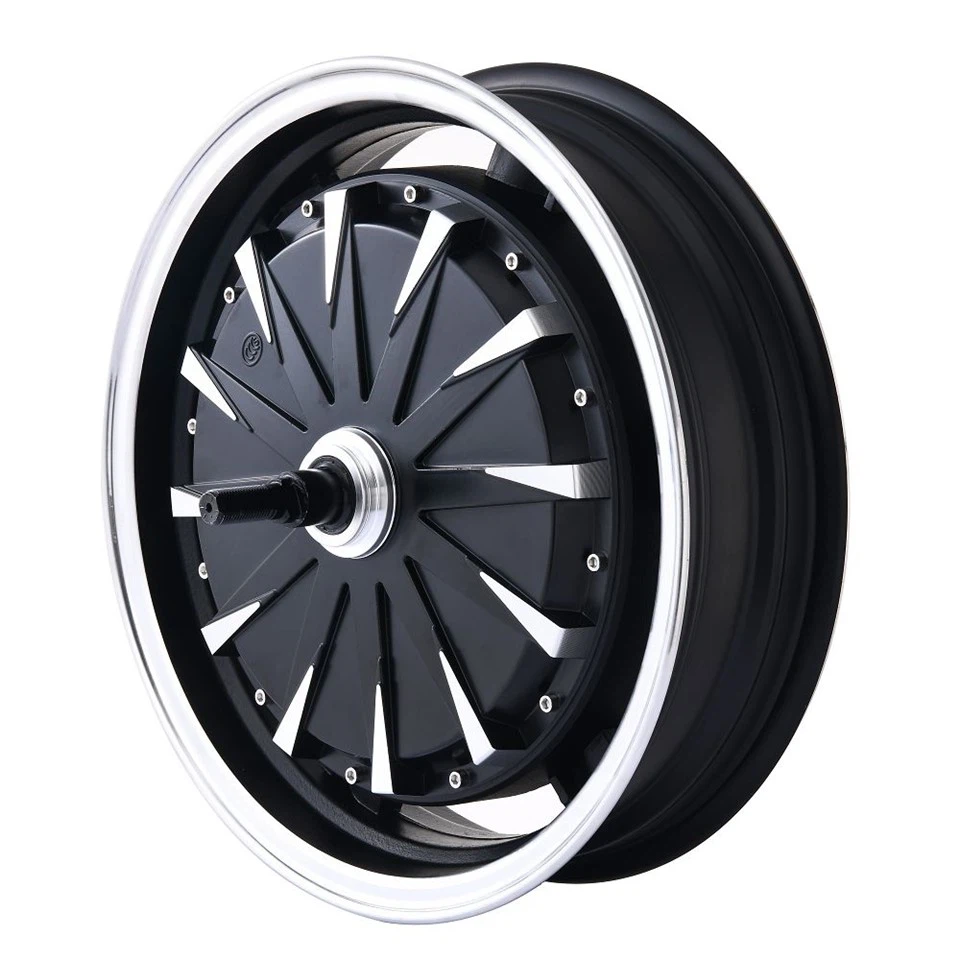
Before we start discussing the controllers, let's briefly understand the ZDL - 02 Hub Motor. The [ZDL - 02 Hub Motor](/high - speed - electric - motorcycle - series/hub - motors/zdl - 02 - hub - motor.html) is a remarkable piece of engineering designed for high - speed electric motorcycles. It offers high power density, efficient performance, and smooth torque delivery. With its advanced design, it can handle various riding conditions, making it a popular choice among electric motorcycle enthusiasts.
Key Considerations for Selecting a Controller
Voltage Compatibility
The first and most crucial factor is voltage compatibility. The ZDL - 02 Hub Motor operates within a specific voltage range. Using a controller with an incompatible voltage can lead to poor performance, overheating, or even permanent damage to the motor and the controller. It's essential to match the voltage rating of the controller with that of the ZDL - 02 Hub Motor precisely.
Current Rating
The current rating of the controller determines how much current it can supply to the motor. A controller with a too - low current rating may not be able to provide enough power for the motor to reach its full potential. On the other hand, a controller with an excessively high current rating can be wasteful and may also cause unnecessary heat generation. For the ZDL - 02 Hub Motor, you need to select a controller with a current rating that can support the motor's power requirements under normal operating conditions.
Control Modes
Controllers come with different control modes, such as sensor - based and sensorless control. Sensor - based control provides more precise control of the motor's speed and torque, especially at low speeds. It uses sensors to detect the position of the motor's rotor, allowing for more accurate commutation. Sensorless control, on the other hand, is simpler and more cost - effective. It estimates the rotor position without the need for additional sensors. The choice between these two control modes depends on your specific application and performance requirements. If you need high - precision control, especially for applications like racing or high - end electric motorcycles, a sensor - based controller may be the better option. However, if cost is a major concern and you can tolerate slightly less precise control, a sensorless controller may suffice.
Protection Features
A good controller should have a range of protection features to safeguard both the motor and the controller itself. Over - current protection prevents the controller from supplying excessive current to the motor, which can cause overheating and damage. Over - voltage protection protects the controller and the motor from high - voltage spikes. Under - voltage protection ensures that the system operates within a safe voltage range. Thermal protection monitors the temperature of the controller and shuts it down if it reaches a dangerous level. These protection features are essential for the long - term reliability and durability of the motor - controller system.
Suitable Controller Options
High - Performance Sensor - Based Controllers
For those who demand the highest level of performance from their ZDL - 02 Hub Motor, high - performance sensor - based controllers are an excellent choice. These controllers offer precise control of the motor's speed and torque, allowing for smooth acceleration and deceleration. They are ideal for racing applications or high - end electric motorcycles where performance is the top priority. Some well - known brands in the market offer sensor - based controllers with advanced features such as programmable settings, real - time monitoring, and high - speed communication interfaces.
Cost - Effective Sensorless Controllers
If you're looking for a more budget - friendly option, cost - effective sensorless controllers can be a great alternative. These controllers provide a good balance between performance and cost. They are suitable for general - purpose electric motorcycles and applications where high - precision control is not critical. Many sensorless controllers on the market offer basic protection features and can still deliver satisfactory performance for the ZDL - 02 Hub Motor.
Comparison with Other Hub Motors in the Series
It's also interesting to compare the ZDL - 02 Hub Motor with other motors in our series, such as the [ZDL - 03 Hub Motor](/high - speed - electric - motorcycle - series/hub - motors/zdl - 03 - hub - motor.html) and the [ZDL - 04 Hub Motor](/high - speed - electric - motorcycle - series/hub - motors/zdl - 04 - hub - motor.html). While the basic principles of controller selection remain the same, there may be some differences in voltage, current, and performance requirements.
The ZDL - 03 Hub Motor, for example, may have a higher power output and different torque characteristics compared to the ZDL - 02 Hub Motor. This means that it may require a controller with a higher current rating and more advanced control algorithms. On the other hand, the ZDL - 04 Hub Motor may be designed for different applications, such as urban commuting, and may have different voltage and performance requirements. Understanding these differences can help you make a more informed decision when selecting a controller for your specific motor.

Importance of Proper Installation and Calibration
Once you've selected a suitable controller for the ZDL - 02 Hub Motor, proper installation and calibration are crucial. Incorrect installation can lead to poor performance, increased wear and tear, and even safety hazards. It's important to follow the manufacturer's installation instructions carefully and ensure that all connections are secure.
Calibration is also essential to optimize the performance of the motor - controller system. This involves adjusting the controller's settings to match the characteristics of the ZDL - 02 Hub Motor. Some controllers come with built - in calibration procedures, while others may require the use of specialized calibration tools. Proper calibration can improve the motor's efficiency, reduce energy consumption, and enhance the overall riding experience.
Conclusion
Choosing the right controller for the ZDL - 02 Hub Motor is a critical decision that can significantly impact the performance, reliability, and longevity of your electric motorcycle. By considering factors such as voltage compatibility, current rating, control modes, and protection features, you can select a controller that meets your specific needs. Whether you opt for a high - performance sensor - based controller or a cost - effective sensorless controller, proper installation and calibration are essential for optimal performance.
If you're interested in purchasing the ZDL - 02 Hub Motor or need more information about suitable controllers, please don't hesitate to contact us for procurement discussions. We're here to help you make the best choice for your electric motorcycle project.
References
- Electric Motor Handbook, Second Edition.
- Power Electronics: Converters, Applications, and Design, Third Edition.