

Hey there! As a supplier of hub motors, I often get asked about the heat dissipation rate of these motors. It's a crucial factor that can significantly impact the performance and lifespan of the motor. So, let's dive into what the heat dissipation rate of a hub motor is and why it matters.
What is Heat Dissipation Rate?
First things first, let's break down what we mean by "heat dissipation rate." In simple terms, it's the rate at which a hub motor can transfer heat from its internal components to the surrounding environment. When a hub motor is running, electrical energy is converted into mechanical energy to turn the wheels. However, this process isn't 100% efficient, and some of the energy is lost as heat. If this heat isn't dissipated effectively, it can build up and cause a variety of problems.
Why Does Heat Dissipation Matter?
Excessive heat can have a negative impact on a hub motor in several ways. For starters, it can reduce the motor's efficiency. As the temperature rises, the resistance of the motor's windings increases, which means more energy is wasted as heat instead of being used to power the vehicle. This can lead to decreased range and performance, which is a big no - no for electric vehicle users.
High temperatures can also damage the motor's insulation. Over time, the heat can cause the insulation to break down, leading to short circuits and potentially permanent damage to the motor. Additionally, excessive heat can cause the lubricants in the motor to degrade, increasing friction and wear on the moving parts.
Factors Affecting Heat Dissipation Rate
There are several factors that can affect the heat dissipation rate of a hub motor.
Motor Design
The design of the motor plays a huge role in how well it can dissipate heat. Motors with larger surface areas have more area through which heat can be transferred to the surrounding air. For example, some hub motors are designed with fins or other protrusions on the outer casing to increase the surface area and improve heat dissipation.
The internal layout of the motor also matters. Motors with better ventilation channels allow air to flow through the motor more easily, carrying heat away. Some high - end hub motors even have built - in fans to actively circulate air and enhance heat dissipation.
Material Selection
The materials used in the motor construction can also impact heat dissipation. Metals like aluminum are excellent conductors of heat, so motors with aluminum casings can transfer heat more effectively than those with plastic or other less conductive materials. The type of insulation used in the windings also matters. High - quality insulation materials can withstand higher temperatures without breaking down, allowing the motor to operate at higher temperatures without damage.
Operating Conditions
The conditions under which the motor operates can have a significant impact on its heat dissipation rate. For example, if the motor is used in a hot and humid environment, it will have a harder time dissipating heat. Similarly, if the motor is constantly under heavy load, it will generate more heat, and the heat dissipation system will have to work harder to keep the temperature in check.
Measuring Heat Dissipation Rate
Measuring the heat dissipation rate of a hub motor isn't an easy task. It typically involves using temperature sensors to monitor the temperature of the motor's internal components and the surrounding environment. By measuring the temperature difference over time, engineers can calculate the rate at which heat is being transferred out of the motor.
Most manufacturers use sophisticated testing equipment to measure the heat dissipation rate during the design and development phase. This allows them to optimize the motor's design and ensure that it can operate within a safe temperature range under normal operating conditions.
Heat Dissipation Rates of Our Hub Motors
At our company, we take heat dissipation very seriously. We've spent a lot of time and resources researching and developing hub motors with excellent heat dissipation capabilities.
Take our ZDL - 01 Hub Motor for example. This motor is designed with an aluminum casing and a unique finned design that significantly increases the surface area for heat transfer. The internal ventilation channels are carefully engineered to allow for maximum air circulation, ensuring that heat is quickly carried away from the motor's core.

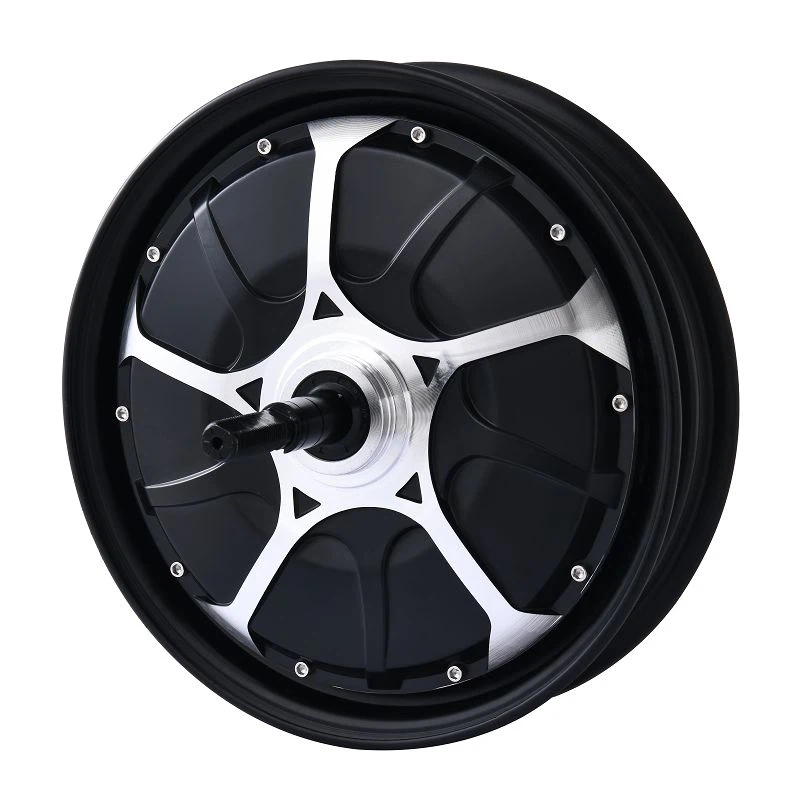
Our ZDL - 02 Hub Motor takes heat dissipation to the next level. In addition to the aluminum casing and finned design, it has a built - in fan that actively circulates air through the motor. This makes it ideal for high - performance applications where the motor is likely to be under heavy load for extended periods.
The ZDL - 04 Hub Motor is another great option. It uses advanced insulation materials in the windings, which can withstand higher temperatures without breaking down. This allows the motor to operate at higher temperatures without sacrificing performance or lifespan.
Importance of Heat Dissipation in Different Applications
The importance of heat dissipation varies depending on the application. In electric bicycles, for example, the heat dissipation requirements are relatively low. Electric bikes typically operate at lower speeds and under lighter loads, so the motor doesn't generate as much heat. However, even in these applications, proper heat dissipation is still important to ensure long - term reliability and performance.
On the other hand, in electric motorcycles and electric cars, heat dissipation is a critical issue. These vehicles often have more powerful motors that operate at higher speeds and under heavier loads, generating a significant amount of heat. Without effective heat dissipation, the motors can overheat quickly, leading to reduced performance and potential damage.
Conclusion
In conclusion, the heat dissipation rate of a hub motor is a crucial factor that can impact its efficiency, performance, and lifespan. By understanding the factors that affect heat dissipation and choosing a motor with good heat dissipation capabilities, electric vehicle users can ensure that their vehicles operate smoothly and reliably.
If you're in the market for a high - quality hub motor with excellent heat dissipation, look no further. We offer a range of hub motors, including the ZDL - 01 Hub Motor, ZDL - 02 Hub Motor, and ZDL - 04 Hub Motor, that are designed to meet the needs of different applications. If you're interested in learning more or making a purchase, don't hesitate to get in touch with us. We're here to help you find the perfect hub motor for your needs.
References
- Motor Design and Thermal Management: A Comprehensive Guide, published by an industry - leading engineering journal.
- Heat Transfer Principles in Electric Motors, a research paper from a well - known university.