

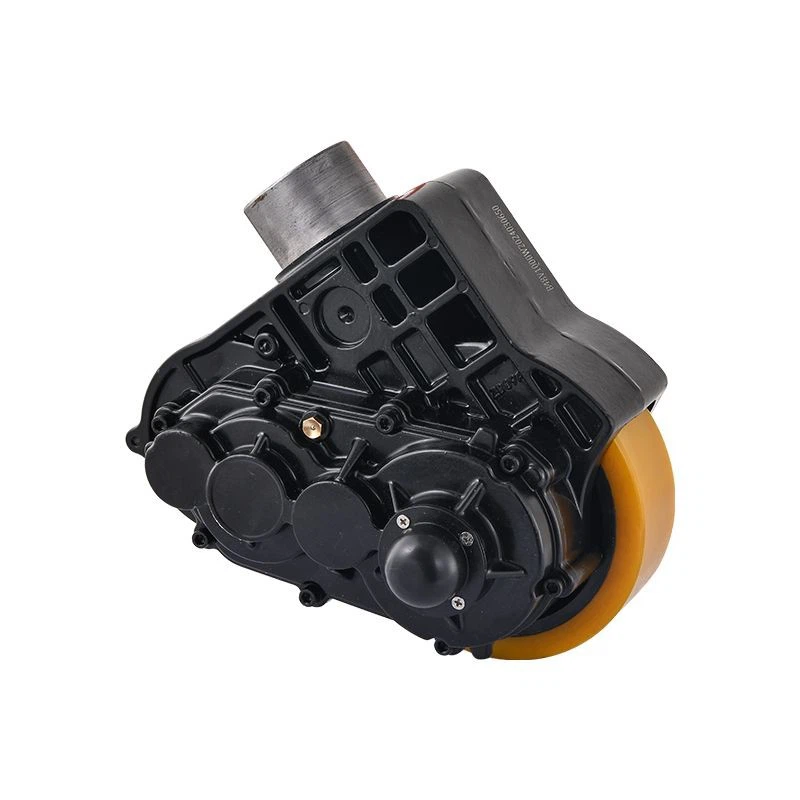
As a supplier of the PET155 Upper Horizontal Forklift, I am frequently asked about the heat dissipation capacity of this remarkable piece of equipment. Understanding the heat dissipation capacity is crucial for ensuring the longevity, reliability, and optimal performance of the forklift. In this blog post, I will delve into the intricacies of the PET155's heat dissipation system, exploring its design, components, and the factors that influence its efficiency.
The Importance of Heat Dissipation in Forklifts
Forklifts, especially those used in industrial settings, are subjected to heavy workloads and continuous operation. During operation, various components of the forklift, such as the engine, motor, and hydraulic system, generate a significant amount of heat. If this heat is not effectively dissipated, it can lead to a range of problems, including reduced performance, increased wear and tear, and even component failure.
For example, excessive heat can cause the engine oil to break down, reducing its lubricating properties and increasing friction between moving parts. This can lead to premature engine wear and decreased fuel efficiency. Similarly, high temperatures can affect the performance of the forklift's electrical components, such as the battery and motor, leading to reduced power output and increased risk of electrical failures.
Therefore, an efficient heat dissipation system is essential for maintaining the optimal operating temperature of the forklift and ensuring its reliable performance over an extended period.
Design and Components of the PET155's Heat Dissipation System
The PET155 Upper Horizontal Forklift is equipped with a state-of-the-art heat dissipation system designed to effectively manage the heat generated during operation. The system consists of several key components, each playing a crucial role in the heat dissipation process.
Radiator
The radiator is the heart of the heat dissipation system. It is responsible for transferring the heat from the engine coolant to the surrounding air. The radiator is typically made of a series of thin metal tubes and fins, which provide a large surface area for heat transfer. As the hot coolant flows through the tubes, the fins absorb the heat and dissipate it into the air.
The PET155's radiator is designed to be highly efficient, with a large surface area and a high heat transfer coefficient. This ensures that the engine coolant is cooled quickly and effectively, even under heavy loads.
Cooling Fan
The cooling fan is another important component of the heat dissipation system. It is responsible for drawing air through the radiator, increasing the airflow and enhancing the heat transfer process. The cooling fan is typically driven by an electric motor and is controlled by a thermostat.
When the engine temperature rises above a certain threshold, the thermostat activates the cooling fan, which starts to draw air through the radiator. The fan speed is automatically adjusted based on the engine temperature, ensuring that the radiator is cooled efficiently.
Oil Cooler
In addition to the radiator, the PET155 is also equipped with an oil cooler. The oil cooler is responsible for cooling the hydraulic oil, which is used to operate the forklift's hydraulic system. The hydraulic system generates a significant amount of heat during operation, and if the oil is not cooled effectively, it can lead to reduced performance and increased wear and tear on the hydraulic components.
The oil cooler works in a similar way to the radiator, using a series of tubes and fins to transfer the heat from the hydraulic oil to the surrounding air. The oil cooler is typically located near the radiator and is cooled by the same airflow generated by the cooling fan.
Air Intake and Exhaust System
The air intake and exhaust system also plays a role in the heat dissipation process. The air intake system is responsible for drawing fresh air into the engine compartment, while the exhaust system is responsible for expelling the hot exhaust gases.
A well-designed air intake and exhaust system ensures that there is a constant flow of fresh air through the engine compartment, which helps to cool the engine and other components. The exhaust system is also designed to minimize backpressure, which can reduce the engine's performance and increase the amount of heat generated.
Factors Affecting the Heat Dissipation Capacity of the PET155
Several factors can affect the heat dissipation capacity of the PET155 Upper Horizontal Forklift. Understanding these factors is important for ensuring that the forklift operates at its optimal temperature and performs reliably.

Operating Conditions
The operating conditions of the forklift can have a significant impact on its heat dissipation capacity. For example, operating the forklift in hot and humid environments can make it more difficult for the heat dissipation system to cool the engine and other components. Similarly, operating the forklift at high speeds or under heavy loads can generate more heat, requiring the heat dissipation system to work harder.
Maintenance
Proper maintenance is essential for ensuring the efficient operation of the heat dissipation system. Regularly cleaning the radiator and oil cooler, checking the coolant level, and replacing the air filters can help to maintain the heat transfer efficiency of the system. Neglecting maintenance can lead to a buildup of dirt and debris on the radiator and other components, which can reduce the airflow and impair the heat dissipation process.
Component Quality
The quality of the components used in the heat dissipation system can also affect its performance. Using high-quality radiators, cooling fans, and oil coolers can ensure that the system operates efficiently and reliably. Inferior components may not be able to dissipate heat effectively, leading to increased temperatures and potential component failures.
Comparing with Other Forklift Models
To better understand the heat dissipation capacity of the PET155, it is useful to compare it with other forklift models. For example, the No.2 Push Handling Forklift Motor and the ZD09 Push Handling Forklift Motor are two popular forklift models that are often compared with the PET155.
The PET155's heat dissipation system is designed to be more efficient than those of many other forklift models. Its large radiator, high-performance cooling fan, and oil cooler ensure that the engine and hydraulic system are cooled effectively, even under heavy loads. In addition, the PET155's air intake and exhaust system are designed to optimize the airflow through the engine compartment, further enhancing the heat dissipation process.
Another forklift model that is often compared with the PET155 is the PET154 Lower Horizontal Forklift Truck. While the PET154 is a reliable forklift, the PET155 offers several advantages in terms of heat dissipation. The PET155's heat dissipation system is more advanced, with a larger radiator and a more powerful cooling fan, which allows it to dissipate heat more effectively.
Conclusion
In conclusion, the heat dissipation capacity of the PET155 Upper Horizontal Forklift is a critical factor in its performance and reliability. The forklift's state-of-the-art heat dissipation system, which includes a radiator, cooling fan, oil cooler, and air intake and exhaust system, is designed to effectively manage the heat generated during operation.
Several factors, such as operating conditions, maintenance, and component quality, can affect the heat dissipation capacity of the PET155. By understanding these factors and taking appropriate measures to ensure the proper operation of the heat dissipation system, you can ensure that the forklift operates at its optimal temperature and performs reliably over an extended period.
If you are interested in learning more about the PET155 Upper Horizontal Forklift or are considering purchasing one for your business, I encourage you to contact me for more information. I would be happy to discuss your specific requirements and provide you with a detailed quote.
References
- "Forklift Maintenance and Safety Manual" - Industry Standard Publication
- "Thermal Management in Industrial Equipment" - Academic Journal Article