

As a reliable supplier of the No. 2 Push Handling Forklift Motor, I've encountered numerous inquiries regarding its operational frequency. Understanding the frequency of this motor is crucial for optimizing its performance in various industrial settings. In this blog, I'll delve into the concept of frequency, its significance for the No. 2 Push Handling Forklift Motor, and how it impacts the overall functionality of the forklift.
Understanding Frequency in Electric Motors
Before we specifically discuss the No. 2 Push Handling Forklift Motor, it's essential to understand what frequency means in the context of electric motors. Frequency refers to the number of cycles per second of an alternating current (AC) power supply. It is measured in Hertz (Hz). In most parts of the world, the standard frequency for the power grid is either 50 Hz or 60 Hz. These frequencies determine how fast the magnetic field in an AC motor rotates, which in turn affects the motor's speed.
The speed of an AC motor is directly proportional to the frequency of the power supply. The relationship between the motor's speed (N), frequency (f), and the number of poles (p) in the motor is given by the formula:
[N = \frac{120f}{p}]
This formula shows that as the frequency increases, the speed of the motor also increases, assuming the number of poles remains constant.
Frequency and the No. 2 Push Handling Forklift Motor
The No. 2 Push Handling Forklift Motor is designed to operate at a specific frequency, typically either 50 Hz or 60 Hz, depending on the region where it will be used. This frequency is carefully selected to ensure optimal performance, efficiency, and longevity of the motor.
When the No. 2 Push Handling Forklift Motor operates at its rated frequency, it can deliver the designed torque and power output. Torque is the rotational force that allows the forklift to lift and move heavy loads, while power is the rate at which work is done. If the frequency deviates from the rated value, it can have several negative effects on the motor's performance.
For instance, if the frequency is lower than the rated frequency, the motor's speed will decrease according to the formula mentioned above. This can result in reduced lifting capacity and slower operation of the forklift. The motor may also draw more current to compensate for the reduced speed, which can lead to overheating and potentially damage the motor windings.
On the other hand, if the frequency is higher than the rated frequency, the motor will run at a higher speed. While this may seem beneficial in terms of faster operation, it can also cause excessive wear and tear on the motor's components, such as bearings and gears. Additionally, the increased speed may make it more difficult to control the forklift, especially when lifting and moving heavy loads.
Importance of Matching the Frequency
Matching the frequency of the No. 2 Push Handling Forklift Motor to the local power supply is of utmost importance. When the motor operates at the correct frequency, it can achieve its maximum efficiency, which translates to lower energy consumption and reduced operating costs. Moreover, it ensures the safety and reliability of the forklift, as the motor will perform as designed.
Before installing a No. 2 Push Handling Forklift Motor, it's essential to verify the frequency of the local power supply. If the power supply frequency does not match the motor's rated frequency, a frequency converter can be used to adjust the frequency. However, this adds an additional cost and complexity to the system.
Comparing with Other Forklift Motors
In the market, there are various types of forklift motors, each with its own frequency requirements. For example, the ZD09 Push Handling Forklift Motor and the PET155 Upper Horizontal Forklift also have specific frequency ratings. While these motors may have different designs and applications, the principle of matching the frequency to the power supply remains the same.
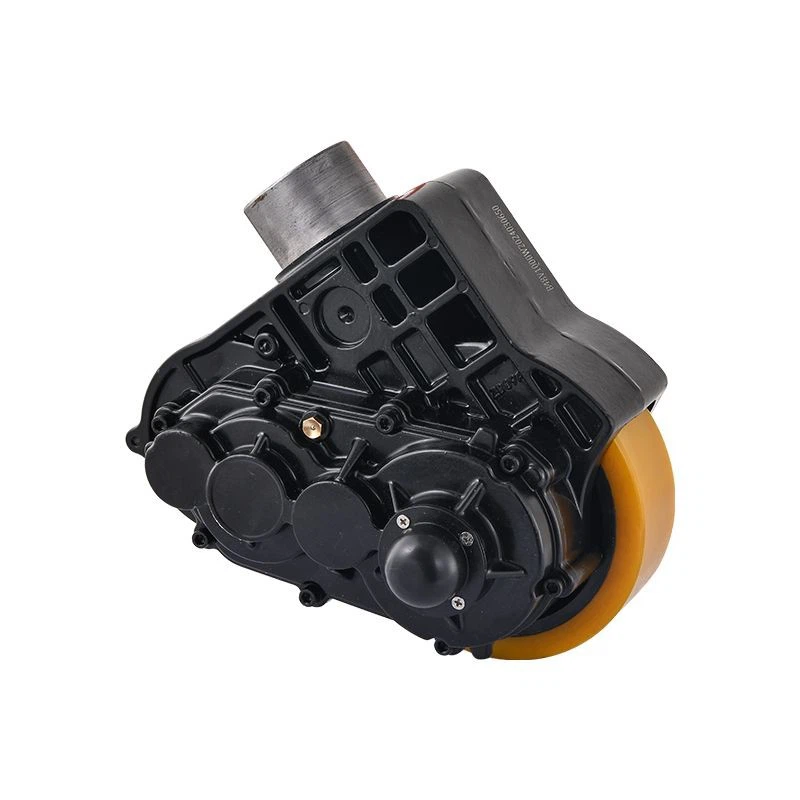
The No. 2 Push Handling Forklift Motor is known for its durability and reliability. It is designed to withstand the harsh conditions of industrial environments, making it a popular choice for many businesses. By ensuring that the motor operates at the correct frequency, users can maximize its performance and lifespan.

Impact on Forklift Operation
The frequency of the No. 2 Push Handling Forklift Motor has a direct impact on the overall operation of the forklift. A motor operating at the correct frequency will provide smooth and consistent power, allowing the forklift to lift and move loads efficiently. This is particularly important in high-volume warehouses and distribution centers, where productivity is key.
In addition, the correct frequency ensures that the forklift's control systems work properly. Many modern forklifts are equipped with advanced control systems that rely on accurate motor speed and torque control. If the motor frequency is not correct, these control systems may malfunction, leading to erratic operation and potential safety hazards.
Maintenance and Frequency
Proper maintenance of the No. 2 Push Handling Forklift Motor is essential to ensure its long-term performance. Part of this maintenance includes monitoring the frequency of the power supply. Regular checks should be conducted to ensure that the frequency remains within the rated range.
If the frequency is found to be outside the acceptable range, steps should be taken to correct it immediately. This may involve contacting the local power utility or using a frequency converter. Ignoring frequency issues can lead to premature motor failure, which can be costly to repair or replace.
Conclusion
In conclusion, the frequency of the No. 2 Push Handling Forklift Motor is a critical factor that affects its performance, efficiency, and longevity. By understanding the relationship between frequency, motor speed, and torque, users can ensure that the motor operates at its best. Matching the motor's frequency to the local power supply is essential for optimal operation, and regular maintenance and monitoring are necessary to prevent frequency-related issues.
If you're in the market for a reliable No. 2 Push Handling Forklift Motor, look no further. Our No. 2 Push Handling Forklift Motor is designed to meet the highest standards of quality and performance. Contact us today to discuss your specific requirements and explore how our motors can enhance your forklift operations.
References
- Chapman, A. J. (2005). Electric Motors and Drives: Fundamentals, Types and Applications. Elsevier.
- Fitzgerald, A. E., Kingsley, C., & Umans, S. D. (2003). Electric Machinery. McGraw-Hill.