

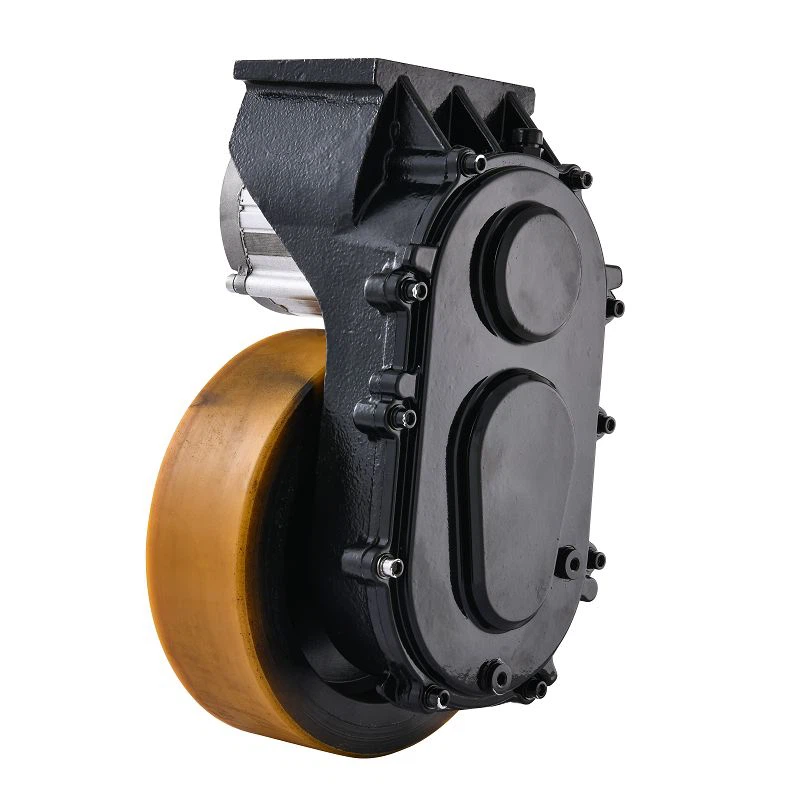
As a supplier of the ZD09 Push Handling Forklift Motor, I've had the privilege of working closely with this product and interacting with numerous customers. Over time, I've noticed several common problems that users often encounter. In this blog, I'll delve into these issues, explain their causes, and offer some practical solutions.
Overheating
One of the most prevalent problems with the ZD09 Push Handling Forklift Motor is overheating. This can be a serious issue as it not only reduces the motor's efficiency but can also lead to premature wear and tear, and in extreme cases, permanent damage.
Causes
- Overloading: When the forklift is used to carry loads that exceed its rated capacity, the motor has to work harder, generating more heat. For example, if the ZD09 is rated for a maximum load of 2 tons, but it's consistently used to lift 2.5 tons, the motor will be under excessive stress.
- Poor Ventilation: The motor relies on proper ventilation to dissipate heat. If the ventilation channels are blocked by dust, debris, or if the forklift is operating in a poorly ventilated area, the heat cannot escape effectively.
- Faulty Cooling System: The cooling system, which may include fans or a radiator, can malfunction. A broken fan blade or a clogged radiator can prevent the motor from being cooled properly.
Solutions
- Load Management: Ensure that the forklift is not overloaded. Train operators to check the load capacity before lifting any item. Provide clear instructions and markings on the forklift to indicate the maximum load.
- Regular Maintenance: Clean the ventilation channels regularly to prevent blockages. Inspect the cooling system components, such as fans and radiators, and replace any damaged parts promptly.
- Optimal Operating Conditions: Try to operate the forklift in well - ventilated areas. If necessary, use additional fans or cooling equipment to assist in heat dissipation.
Electrical Failures
Electrical problems are also quite common with the ZD09 Push Handling Forklift Motor. These issues can range from minor glitches to complete motor failure.
Causes
- Loose Connections: Over time, the electrical connections in the motor can become loose due to vibrations during operation. Loose connections can cause intermittent power supply, leading to erratic motor performance.
- Worn - Out Wiring: The wiring in the motor can deteriorate over time, especially if it is exposed to harsh environmental conditions such as moisture, heat, or chemicals. Damaged wiring can result in short circuits or power loss.
- Faulty Electrical Components: Components such as capacitors, relays, or controllers can malfunction. A faulty capacitor, for example, can cause the motor to draw too much current or not start at all.
Solutions
- Regular Inspections: Conduct regular inspections of the electrical connections to ensure they are tight. Tighten any loose connections as soon as they are detected.
- Wiring Replacement: Replace any worn - out or damaged wiring. Use high - quality wiring that is suitable for the operating conditions of the forklift.
- Component Testing and Replacement: Test the electrical components regularly to identify any faulty parts. Replace malfunctioning components with new ones from reliable suppliers.
Noise and Vibration
Excessive noise and vibration during operation are another common problem with the ZD09 Push Handling Forklift Motor. These issues can not only be annoying but can also indicate underlying mechanical problems.

Causes
- Misaligned Components: If the motor's components, such as the shaft or gears, are misaligned, it can cause uneven movement and result in noise and vibration. Misalignment can occur during installation or due to wear and tear over time.
- Worn - Out Bearings: Bearings support the rotating parts of the motor. When bearings wear out, they can cause excessive play and vibration, as well as a loud grinding noise.
- Imbalanced Rotors: An imbalanced rotor can cause the motor to vibrate. This can happen if there is uneven distribution of mass on the rotor, perhaps due to damage or wear.
Solutions
- Alignment Checks: Regularly check the alignment of the motor components. If misalignment is detected, realign the components according to the manufacturer's specifications.
- Bearing Replacement: Replace worn - out bearings promptly. Use high - quality bearings that are designed for the specific application of the forklift motor.
- Rotor Balancing: Have the rotor balanced by a professional if it is found to be imbalanced. This will help reduce vibration and noise.
Reduced Power Output
A decrease in the motor's power output can significantly affect the forklift's performance, making it difficult to lift heavy loads or operate efficiently.
Causes
- Battery Issues: If the forklift is battery - powered, a weak or faulty battery can lead to reduced power output. A battery that is not fully charged or has a low capacity will not be able to supply enough power to the motor.
- Motor Wear and Tear: Over time, the internal components of the motor can wear out, such as the brushes or the armature. This can reduce the motor's efficiency and power output.
- Controller Malfunction: The motor controller regulates the power supply to the motor. A malfunctioning controller can cause inconsistent power delivery, resulting in reduced power output.
Solutions
- Battery Maintenance: Ensure that the battery is properly maintained. Charge the battery regularly and replace it if it is old or damaged. Use a high - quality battery charger to ensure a full charge.
- Motor Overhaul: If the motor shows signs of significant wear and tear, consider having it overhauled. This may involve replacing worn - out components such as brushes or the armature.
- Controller Testing and Repair: Test the motor controller to identify any faults. Repair or replace the controller if necessary.
Comparison with Other Forklift Motors
It's worth comparing the ZD09 Push Handling Forklift Motor with other models in the market. For instance, the No.2 Push Handling Forklift Motor has its own set of features and problems. While the ZD09 may be more suitable for certain applications, the No.2 motor might be better in others. Similarly, the PET155 Upper Horizontal Forklift and PET154 Lower Horizontal Forklift Truck have different designs and performance characteristics. Understanding these differences can help customers make more informed decisions when choosing a forklift motor.
In conclusion, while the ZD09 Push Handling Forklift Motor is a reliable product, it is not without its problems. By being aware of these common issues and taking proactive measures to address them, users can ensure the longevity and optimal performance of their forklift motors. If you are experiencing any of these problems or are interested in purchasing the ZD09 Push Handling Forklift Motor, feel free to reach out to us for further assistance and to discuss your procurement needs.
References
- Forklift Motor Maintenance Manuals
- Industry Reports on Forklift Motor Performance
- Technical Bulletins from Forklift Motor Manufacturers