

What is the noise level of a hub motor?
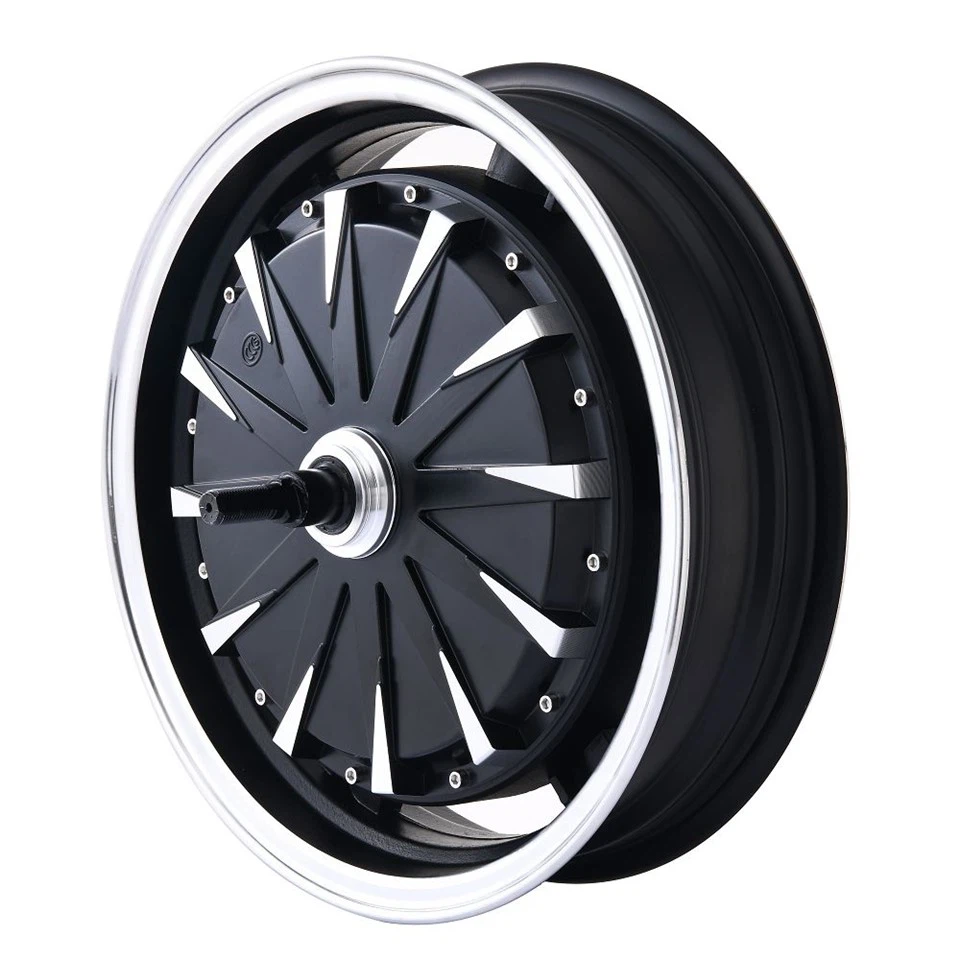
As a seasoned supplier of hub motors, I often get asked about the noise level of these essential components. Understanding the noise characteristics of hub motors is crucial for various applications, from electric bicycles to high - speed electric motorcycles. In this blog, I'll delve into the factors that influence the noise level of hub motors, how to measure it, and the noise levels of some of our popular products.
Factors Influencing Hub Motor Noise
Several factors contribute to the noise generated by a hub motor. First and foremost is the design of the motor itself. The number of poles, the winding configuration, and the magnetic circuit design can all have a significant impact on noise. For instance, a motor with a poorly designed magnetic circuit may produce more electromagnetic noise as the magnetic fields interact.
The quality of the materials used in the motor also plays a vital role. High - quality bearings can reduce mechanical noise, as they allow for smoother rotation. Inferior bearings may cause vibrations and rattling, increasing the overall noise level. Similarly, the quality of the stator and rotor laminations can affect noise. Well - made laminations can minimize eddy current losses and associated noise.
The operating conditions of the hub motor are another important factor. The speed at which the motor runs has a direct correlation with noise. Generally, as the speed increases, the noise level also rises. This is because higher speeds lead to more rapid mechanical movements and stronger electromagnetic forces, both of which can generate noise. Load is also a key factor. A motor operating under a heavy load may produce more noise than when it is lightly loaded. This is due to the increased stress on the motor components, such as the bearings and the windings.
Measuring Hub Motor Noise
To accurately assess the noise level of a hub motor, we use specialized equipment. A sound level meter is the primary tool for this purpose. It measures the sound pressure level (SPL) in decibels (dB). When measuring the noise of a hub motor, we place the sound level meter at a specific distance from the motor, usually 1 meter, to ensure consistent and comparable results.
We also measure the noise at different operating speeds and loads to get a comprehensive understanding of the motor's noise characteristics. This data is then used to create noise profiles for each motor model, which helps our customers make informed decisions based on their specific noise requirements.
Noise Levels of Our Hub Motors
Let's take a look at the noise levels of some of our popular hub motors.
The [ZDL - 02 Hub Motor](/high - speed - electric - motorcycle - series/hub - motors/zdl - 02 - hub - motor.html) is designed for high - performance electric motorcycles. At a low - speed operation of around 1000 RPM under a light load, the noise level is typically around 40 - 45 dB. This is equivalent to the noise level of a quiet library. As the speed increases to 3000 RPM, the noise level rises to approximately 50 - 55 dB, similar to the noise level of a normal conversation. Under heavy load at high speeds, the noise level may reach up to 60 - 65 dB, which is still relatively quiet compared to many traditional combustion engines.

The [ZDL - 04 Hub Motor](/high - speed - electric - motorcycle - series/hub - motors/zdl - 04 - hub - motor.html) is another great option. It is known for its efficiency and smooth operation. At low speeds, the noise level is even lower than that of the ZDL - 02, usually around 35 - 40 dB. At higher speeds, it maintains a relatively low noise level, with a maximum of around 60 dB under heavy load. This makes it an ideal choice for applications where noise reduction is a priority.
Our [ZDL - 03 Hub Motor](/high - speed - electric - motorcycle - series/hub - motors/zdl - 03 - hub - motor.html) strikes a good balance between performance and noise. At moderate speeds, the noise level is around 45 - 50 dB, and it can reach up to 65 dB under extreme conditions. This motor is suitable for a wide range of applications, from urban commuting electric bicycles to small - scale electric vehicles.

Why Low - Noise Hub Motors Matter
Low - noise hub motors offer several advantages. In the consumer market, especially for electric bicycles and electric scooters, a quiet motor enhances the riding experience. Riders can enjoy a peaceful journey without the distraction of excessive noise. It also makes these vehicles more acceptable in residential areas, where noise pollution is a concern.
In industrial applications, low - noise motors are essential for reducing the overall noise level in the workplace. This not only improves the working environment for employees but also helps companies comply with noise regulations.
Conclusion
The noise level of a hub motor is influenced by multiple factors, including design, materials, and operating conditions. At our company, we take great care in designing and manufacturing hub motors to ensure low noise levels. Our products, such as the ZDL - 02, ZDL - 04, and ZDL - 03 Hub Motors, offer excellent performance with relatively low noise.
If you're in the market for high - quality, low - noise hub motors, we'd love to have a conversation with you. Whether you're an electric vehicle manufacturer, a distributor, or an individual looking for a reliable motor for your project, we can provide the right solution for your needs. Contact us to start a procurement discussion and find the perfect hub motor for your application.
References
- "Electric Motor Noise and Vibration: Causes, Analysis, and Solutions" by IEEE Industry Applications Society
- "Motor Design and Performance" by John Wiley & Sons, Inc.
- In - house research and development reports on hub motor noise characteristics