

Hey there! As a supplier of the ZDL - 03 Hub Motor, I get a lot of questions about the cogging torque of this motor. So, in this blog, I'm gonna break it down for you and tell you all about it.
First off, let's talk about what cogging torque is in general. Cogging torque is that annoying little force that makes your motor feel a bit jerky or uneven when it starts up or runs at low speeds. It's caused by the interaction between the permanent magnets in the motor's rotor and the slots in the stator. When the magnets pass by the slots, there's this magnetic attraction and repulsion that creates these small peaks and valleys in the torque output.
Now, when it comes to the ZDL - 03 Hub Motor, understanding its cogging torque is super important. This motor is used in a bunch of different applications, like electric motorcycles and other small - scale electric vehicles. And in these applications, a smooth start and low - speed operation are crucial. No one wants a jerky ride, right?
The design of the ZDL - 03 Hub Motor plays a big part in determining its cogging torque. Our engineers have worked really hard to optimize the motor's structure to minimize this unwanted torque. For example, they've carefully chosen the number of poles and slots in the motor. A well - balanced combination of poles and slots can help reduce the magnetic interference that causes cogging torque.
Another factor is the shape and arrangement of the magnets in the rotor. In the ZDL - 03, we use high - quality permanent magnets that are precisely shaped and placed. This helps to create a more uniform magnetic field, which in turn reduces the peaks and valleys in the torque output.
Let's compare the ZDL - 03 with some of our other models, like the ZDL - 01 Hub Motor and the ZDL - 02 Hub Motor. The ZDL - 01 was our first - generation hub motor. It had a relatively higher cogging torque because we were still exploring different design options at that time. As we moved on to the ZDL - 02, we made some improvements. We adjusted the pole - slot ratio and made some changes to the magnet arrangement, which led to a significant reduction in cogging torque compared to the ZDL - 01.
But the ZDL - 03 takes things even further. With the latest advancements in motor design and materials science, we've been able to achieve an even lower cogging torque. This means that the ZDL - 03 offers a much smoother start and better low - speed performance compared to its predecessors.
So, what are the benefits of having a low cogging torque in the ZDL - 03 Hub Motor? Well, for starters, it improves the overall user experience. Whether you're riding an electric motorcycle or using the motor in some other application, a smooth start and low - speed operation make things a lot more comfortable and enjoyable.
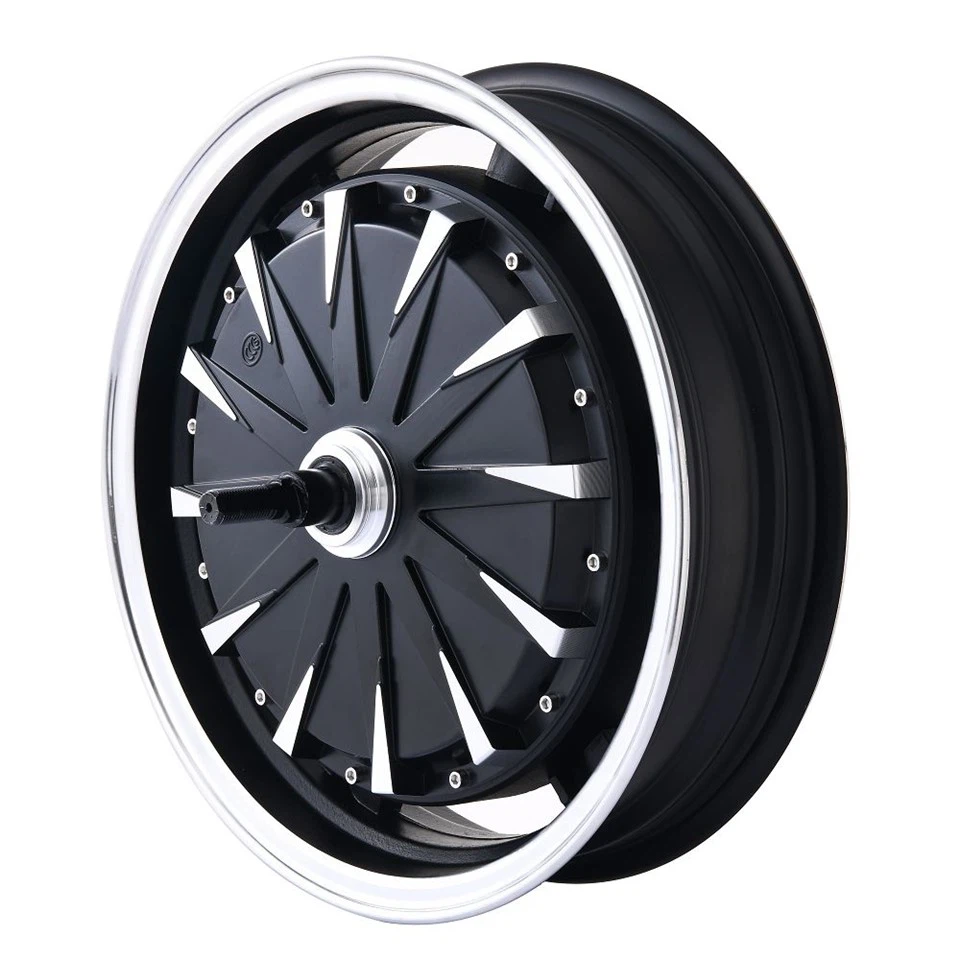

It also reduces wear and tear on the motor and other components of the vehicle. When the motor starts and runs smoothly, there's less stress on the gears, bearings, and other parts. This can extend the lifespan of the entire system and save you money on maintenance and replacements in the long run.
In terms of energy efficiency, a low cogging torque is also a plus. When the motor doesn't have to fight against those unwanted torque fluctuations, it can operate more efficiently. This means that you can get more mileage out of your battery, which is a big deal for electric vehicles.
Now, if you're in the market for a high - performance hub motor with low cogging torque, the ZDL - 03 Hub Motor is definitely worth considering. We've put a lot of time and effort into perfecting this motor, and we're confident that it can meet your needs.
If you're interested in learning more about the ZDL - 03 Hub Motor or other products in our lineup, don't hesitate to reach out for a procurement discussion. We're always happy to talk to potential customers and help you find the right motor for your application.
References:
- General motor design textbooks on electric motors and their torque characteristics.
- In - house research and development reports on the ZDL - 01, ZDL - 02, and ZDL - 03 Hub Motors.