

Hey there! As a supplier of the No.2 Push Handling Forklift Motor, I've had my fair share of experiences and know - how about these nifty machines. Today, I'm gonna chat with you about the safety precautions you need to take when using the No.2 Push Handling Forklift Motor.
First off, let's talk about pre - operation checks. Before you even think about firing up that No.2 Push Handling Forklift Motor, you gotta do a thorough inspection. Check the tires for any signs of wear or damage. Bald or damaged tires can lead to poor traction, which is a recipe for accidents. You don't want your forklift slipping and sliding around the warehouse! Also, take a look at the forks. Make sure they're not bent or cracked. Faulty forks can cause the load to shift or fall, putting both you and your colleagues at risk.

The battery is another crucial component. Ensure that the battery is fully charged and properly connected. A dead or poorly connected battery can leave you stranded in the middle of a job, and in some cases, it can even cause electrical malfunctions. And don't forget to check the electrolyte levels if it's a lead - acid battery. Low electrolyte levels can damage the battery and reduce its lifespan.
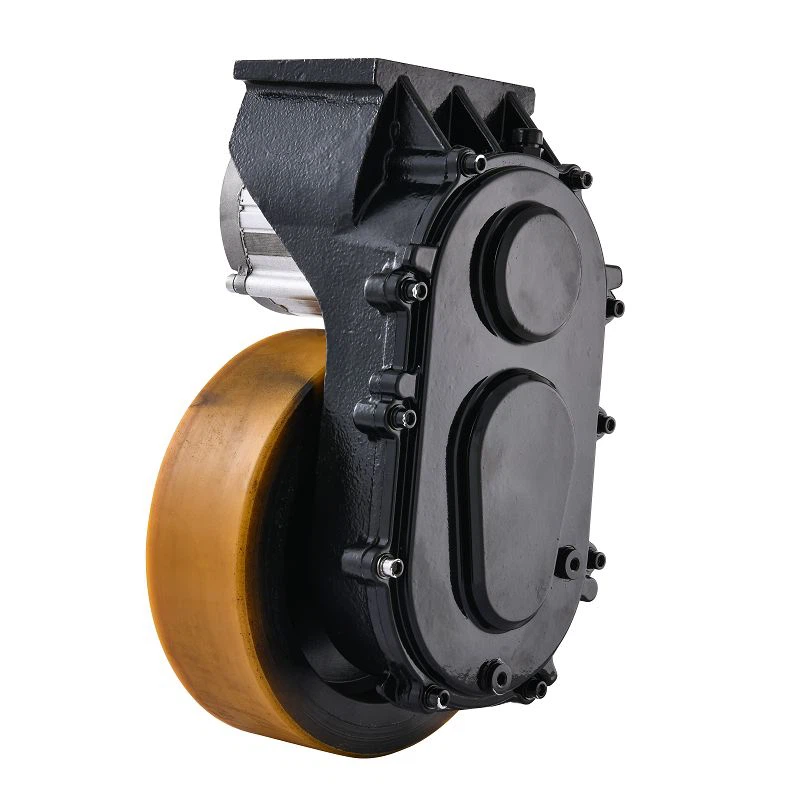
When it comes to the motor itself, listen for any strange noises. A noisy motor could indicate a problem with the internal components. If you hear rattling, grinding, or any other unusual sounds, stop using the forklift immediately and get it checked out. You don't want to push the motor to its limits and end up with a major breakdown.
Now, let's move on to during - operation safety. One of the most important things is to drive at a safe speed. It might be tempting to rush through your tasks, but speeding on a forklift is extremely dangerous. Forklifts are heavy and have a high center of gravity, which means they can tip over easily if you take corners too fast or stop suddenly. Always adjust your speed according to the load you're carrying, the condition of the floor, and the traffic in the area.
Keep a safe distance from other vehicles and pedestrians. Forklifts have blind spots, so it's easy to miss someone walking behind or beside you. Use your horn to alert others when you're approaching intersections, corners, or areas with limited visibility. And make sure you have a clear line of sight at all times. If your load is blocking your view, drive in reverse or adjust the load so you can see where you're going.
Proper lifting techniques are also essential. Never overload the forklift. Each forklift has a maximum load capacity, and exceeding it can cause the forklift to tip over or the forks to break. When lifting a load, make sure it's centered on the forks. An unevenly distributed load can cause the forklift to become unstable. And always lift the load slowly and smoothly to avoid sudden movements that could cause the load to shift.
Another thing to remember is to wear the right safety gear. A hard hat is a must to protect your head from falling objects. Safety shoes will protect your feet from being crushed by the forklift or any dropped items. And if you're working in an area with a lot of dust or fumes, wear a respirator to protect your lungs.
Let's talk about some specific models related to the No.2 Push Handling Forklift Motor. The PET155 Upper Horizontal Forklift and the PET154 Lower Horizontal Forklift Truck are both great machines that can benefit from the No.2 Push Handling Forklift Motor. These models have their own unique features and requirements, but the general safety precautions we've discussed still apply.
After you're done with your work, proper post - operation procedures are just as important as pre - operation checks. Park the forklift in a designated area. Make sure it's on a level surface and set the parking brake. Lower the forks all the way to the ground to prevent them from getting damaged. And turn off the motor and disconnect the battery if necessary.
Regular maintenance is also key to ensuring the safety of your No.2 Push Handling Forklift Motor. Follow the manufacturer's recommended maintenance schedule. This includes oil changes, filter replacements, and inspections of the brakes, steering, and other critical components. A well - maintained forklift is a safe forklift.
In addition to these physical safety precautions, it's also important to have proper training. All operators should be trained and certified to use the No.2 Push Handling Forklift Motor. Training should cover everything from basic operation to emergency procedures. A trained operator is more likely to follow safety protocols and handle any unexpected situations that may arise.
So, there you have it, folks! These are some of the key safety precautions for using the No.2 Push Handling Forklift Motor. By following these guidelines, you can ensure a safe and efficient work environment.
If you're in the market for a reliable No.2 Push Handling Forklift Motor or any related forklift parts, don't hesitate to reach out. We're here to help you find the right products for your needs and ensure that you get the best value for your money. Whether you're a small business owner or part of a large warehouse operation, we've got you covered.
Let's work together to make your workplace safer and more productive. Contact us today to start the conversation about your forklift motor needs.
References
- Forklift Safety Manuals from Industry Standards
- Manufacturer's Guidelines for No.2 Push Handling Forklift Motor
- Occupational Safety and Health Administration (OSHA) Forklift Regulations