

In the realm of electric vehicle technology, hub motors have emerged as a revolutionary concept, offering a compact and efficient solution for powering wheels directly. As a leading supplier of hub motors, I've witnessed firsthand the growing interest in these innovative components. The question on many minds, however, is whether hub motors are truly efficient. In this blog post, I'll delve into the science behind hub motors, explore their efficiency from various angles, and share insights based on our experience in the industry.
Understanding Hub Motors
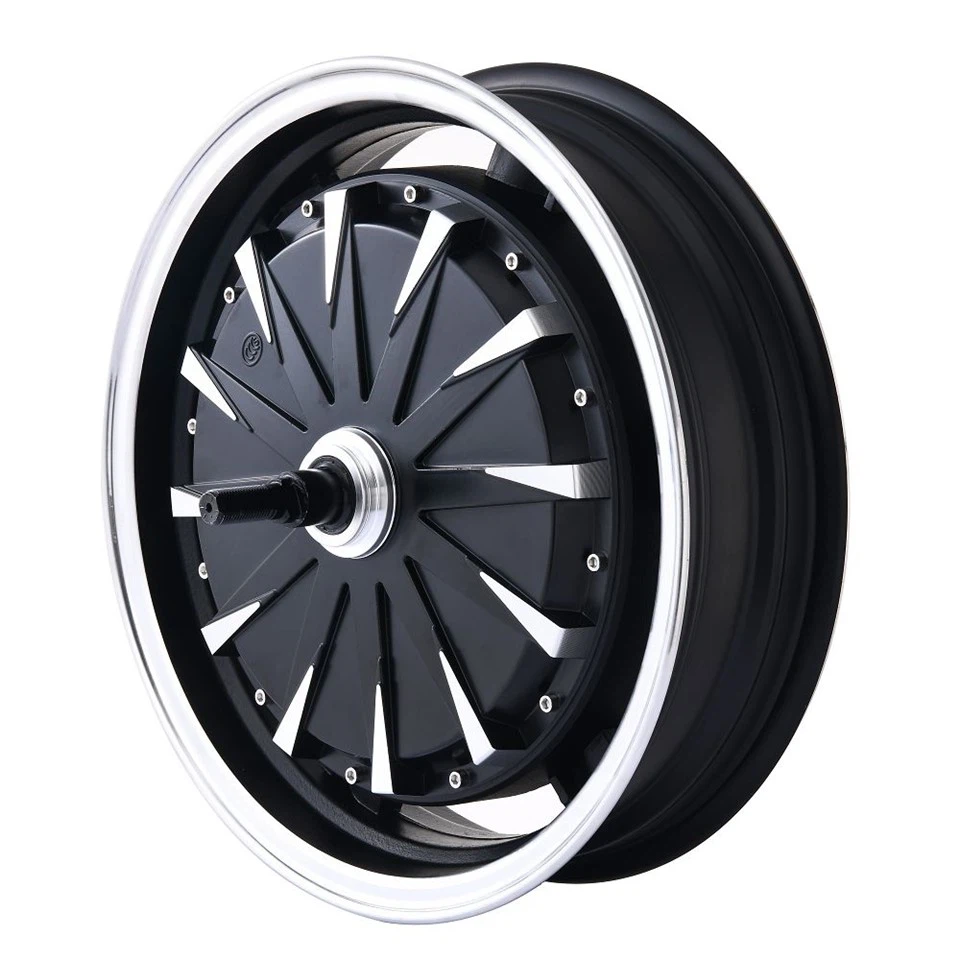
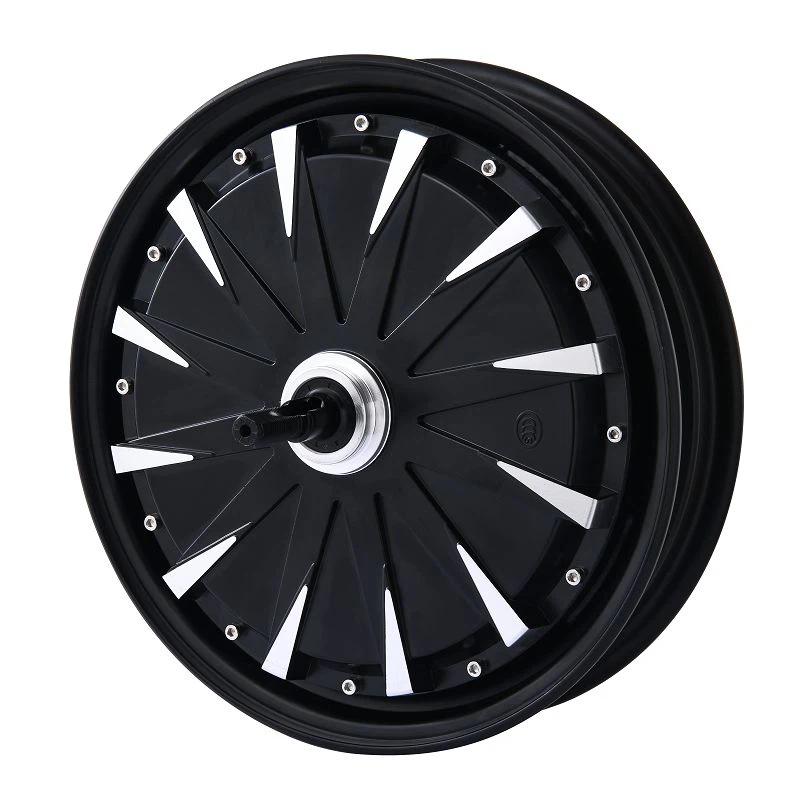
Before we can assess the efficiency of hub motors, it's essential to understand how they work. Unlike traditional motors that are connected to the wheels via a complex transmission system, hub motors are integrated directly into the wheel hub. This design eliminates the need for many of the components typically found in a drivetrain, such as gears, chains, and belts. As a result, hub motors offer a more streamlined and direct power transfer from the motor to the wheel.
There are two main types of hub motors: brushed and brushless. Brushed hub motors use carbon brushes to transfer electrical current to the motor's rotating armature. While they are relatively simple and inexpensive, brushed motors tend to have lower efficiency and shorter lifespans due to the wear and tear on the brushes. Brushless hub motors, on the other hand, use electronic controllers to switch the electrical current, eliminating the need for brushes. This results in higher efficiency, longer lifespans, and less maintenance.
Efficiency Factors
When evaluating the efficiency of hub motors, several factors come into play. These include electrical efficiency, mechanical efficiency, and overall system efficiency.
Electrical Efficiency
Electrical efficiency refers to the ability of the motor to convert electrical energy into mechanical energy. In brushless hub motors, electrical efficiency is typically higher than in brushed motors due to the absence of brushes and the more precise control of the electrical current. Modern brushless hub motors can achieve electrical efficiencies of up to 90% or more, meaning that they can convert a large portion of the electrical energy they consume into useful mechanical work.
Mechanical Efficiency
Mechanical efficiency is related to the motor's ability to transfer the mechanical energy it generates to the wheel with minimal losses. Since hub motors are directly integrated into the wheel hub, they eliminate many of the mechanical losses associated with traditional drivetrains. There is no need for gears, chains, or belts, which can all introduce friction and reduce efficiency. As a result, hub motors can offer higher mechanical efficiency compared to conventional motor setups.
Overall System Efficiency
Overall system efficiency takes into account not only the motor's efficiency but also the efficiency of other components in the electric vehicle system, such as the battery, controller, and wiring. A well-designed hub motor system can achieve high overall efficiency by optimizing the interaction between these components. For example, using a high-capacity battery with low internal resistance can reduce energy losses during charging and discharging, while a sophisticated motor controller can ensure that the motor operates at its most efficient point under different load conditions.
Real-World Efficiency
In real-world applications, the efficiency of hub motors can vary depending on several factors, including the vehicle's speed, load, and driving conditions. For example, at low speeds and light loads, hub motors can operate very efficiently, as they can deliver the required torque without consuming excessive power. However, at high speeds and heavy loads, the efficiency of hub motors may decrease due to factors such as increased wind resistance, higher mechanical stresses, and the need for more power to maintain speed.
To illustrate the real-world efficiency of our hub motors, let's take a look at some of our products. Our ZDL-03 Hub Motor is designed for high-speed electric motorcycles. It features a brushless design with advanced electronic control, which allows it to achieve high electrical and mechanical efficiency. In tests, the ZDL-03 Hub Motor has demonstrated excellent performance in terms of energy consumption and range, making it a popular choice among electric motorcycle manufacturers.
Another example is our ZDL-01 Hub Motor, which is suitable for a wide range of electric vehicles, including electric scooters and bicycles. This motor is known for its compact size, high torque output, and efficient operation. It has been engineered to provide optimal performance under different driving conditions, ensuring that users can enjoy a smooth and energy-efficient ride.
Our ZDL-02 Hub Motor is designed for electric vehicles that require high power and torque. With its robust construction and advanced cooling system, the ZDL-02 Hub Motor can maintain high efficiency even under heavy loads and extended periods of operation. This makes it an ideal choice for applications such as electric trucks and buses.
Advantages of Hub Motors in Terms of Efficiency
In addition to their high efficiency, hub motors offer several other advantages that make them an attractive option for electric vehicle manufacturers.
Space Savings
Since hub motors are integrated directly into the wheel hub, they eliminate the need for a large engine compartment and complex drivetrain components. This allows for more efficient use of space in the vehicle, which can be used to increase passenger or cargo capacity.
Reduced Weight
By eliminating the need for gears, chains, and belts, hub motors can reduce the overall weight of the vehicle. This not only improves the vehicle's energy efficiency but also enhances its handling and performance.
Improved Regenerative Braking
Hub motors can also be used to implement regenerative braking systems, which convert the kinetic energy of the vehicle into electrical energy during braking. This energy can then be stored in the battery and used to power the vehicle later. Since hub motors are directly connected to the wheels, they can provide more effective regenerative braking compared to traditional drivetrains, further improving the vehicle's overall efficiency.
Challenges and Considerations
While hub motors offer many advantages in terms of efficiency, there are also some challenges and considerations that need to be addressed.
Heat Dissipation
Hub motors can generate a significant amount of heat during operation, especially under high loads and extended periods of use. Effective heat dissipation is crucial to ensure the motor's reliability and efficiency. This may require the use of advanced cooling systems, such as liquid cooling or forced air cooling, to keep the motor temperature within acceptable limits.
Cost
The initial cost of hub motors can be higher compared to traditional motors, especially for high-performance models. However, the long-term savings in terms of energy consumption, maintenance, and reduced component wear can offset the higher upfront cost. Additionally, as the technology continues to evolve and economies of scale are achieved, the cost of hub motors is expected to decrease over time.
Compatibility
Integrating hub motors into existing vehicle designs can sometimes be challenging, as it may require modifications to the vehicle's suspension, braking, and electrical systems. It's important to work with experienced engineers and designers to ensure that the hub motor system is compatible with the vehicle and that all components work together seamlessly.
Conclusion
In conclusion, hub motors are a highly efficient and innovative solution for powering electric vehicles. They offer high electrical and mechanical efficiency, as well as the potential for high overall system efficiency when integrated into a well-designed electric vehicle system. While there are some challenges and considerations to be aware of, the advantages of hub motors in terms of efficiency, space savings, weight reduction, and regenerative braking make them an attractive option for a wide range of applications.
As a leading supplier of hub motors, we are committed to providing our customers with high-quality, efficient, and reliable products. Our ZDL-03 Hub Motor, ZDL-01 Hub Motor, and ZDL-02 Hub Motor are just a few examples of our innovative solutions that can help electric vehicle manufacturers achieve higher efficiency and better performance.
If you are interested in learning more about our hub motors or discussing potential procurement opportunities, please don't hesitate to reach out to us. We look forward to working with you to develop the next generation of efficient electric vehicles.
References
- "Electric Vehicle Technology Explained" by James Larminie and John Lowry
- "Handbook of Electric Motors" by Irving Gottlieb
- Industry reports and research papers on electric vehicle technology and hub motor efficiency