

Hey there! As a forklift motors supplier, I get asked a ton about the differences between AC and DC forklift motors. It's a super important topic, especially if you're in the market for a new forklift or looking to upgrade your current one. So, let's dive right in and break it down.
Basics First: What Are AC and DC Motors?
Before we get into the differences, let's quickly go over what AC and DC stand for. DC stands for Direct Current, and it's basically a one - way flow of electric charge. Think of it like a river that only flows in one direction. In a DC forklift motor, the current flows through the motor in a constant direction.
On the other hand, AC stands for Alternating Current. The current in an AC motor changes direction periodically. It's more like a wave in the ocean, going back and forth. This alternating flow of current has some unique properties that make AC motors different from DC ones.
Performance and Efficiency
Power and Torque
One of the biggest differences between AC and DC forklift motors is in their power and torque characteristics. DC motors are known for their high starting torque. When you need to get a heavy load moving from a standstill, a DC motor can provide that initial oomph. It's like having a strong sprinter at the starting line.
AC motors, however, have a more consistent torque output throughout their speed range. They can deliver power smoothly, which is great for continuous operation. It's like a long - distance runner who maintains a steady pace. This means that in applications where you need to move loads at different speeds for extended periods, an AC motor might be a better choice.
Energy Efficiency
AC motors are generally more energy - efficient than DC motors. The reason behind this is the way they convert electrical energy into mechanical energy. DC motors have brushes that create friction and heat, which results in energy loss. Over time, this can add up, leading to higher energy costs.
AC motors, on the other hand, don't have brushes. They use a different technology called induction, which is more efficient. This not only saves you money on your electricity bill but also reduces the overall wear and tear on the motor, leading to longer motor life.
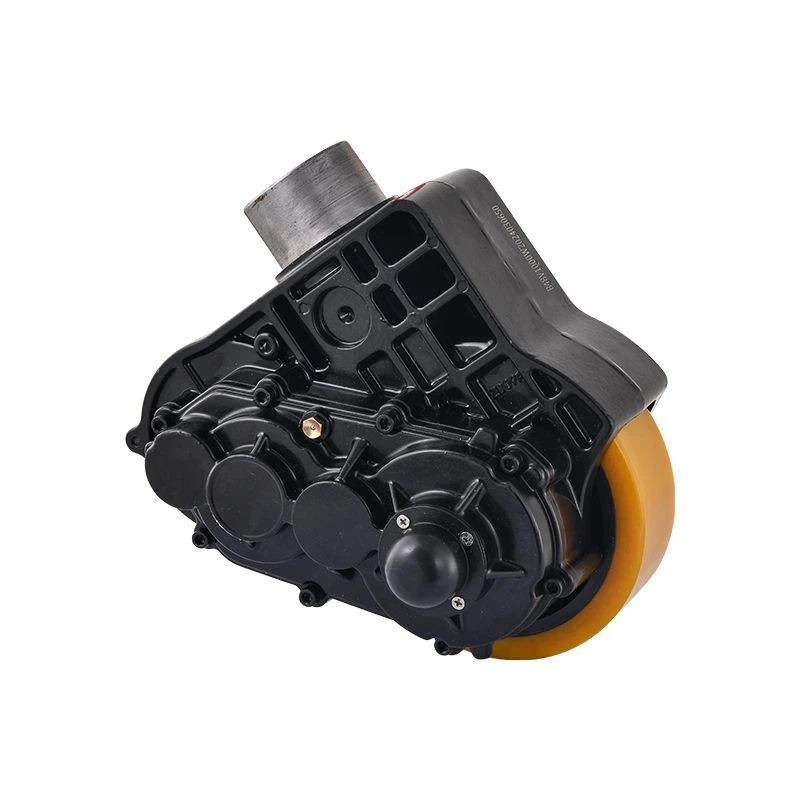

Maintenance and Durability
Maintenance Requirements
DC motors require more maintenance compared to AC motors. The brushes in DC motors wear out over time and need to be replaced regularly. This can be a hassle, especially in a busy warehouse environment where downtime is costly.
AC motors, with their brushless design, have fewer moving parts and therefore less maintenance. You don't have to worry about replacing brushes, and the overall maintenance schedule is much less frequent. This means more uptime for your forklift, which translates to increased productivity.
Durability
In terms of durability, AC motors have an edge. The lack of brushes reduces the risk of electrical arcing and mechanical wear. They can also handle harsh operating conditions better than DC motors. Whether it's high temperatures, dust, or humidity, AC motors are more resilient and can keep going for longer periods without major issues.
Cost Considerations
Initial Purchase Price
DC motors are usually cheaper to purchase initially. If you're on a tight budget, a forklift with a DC motor might seem like the obvious choice. However, it's important to look at the long - term costs as well.
Long - Term Costs
When you factor in energy costs and maintenance, AC motors can actually be more cost - effective in the long run. Even though the upfront price is higher, the savings on energy bills and reduced maintenance expenses can make up for the difference over time.
Applications and Suitability
Indoor Applications
In indoor warehouses where space is limited and you need to make frequent stops and starts, DC motors can be a good option because of their high starting torque. However, if you have a large warehouse with continuous operation requirements, an AC motor would be more suitable due to its energy efficiency and consistent torque output.
Outdoor Applications
For outdoor applications where the forklift might be exposed to harsh weather conditions, AC motors are the way to go. Their durability and resistance to environmental factors make them a better choice for tough outdoor jobs.
Our Product Offerings
At our company, we offer a range of forklift motors to suit different needs. For example, the No.2 Push Handling Forklift Motor is a great option if you're looking for a reliable DC motor for light - to - medium - duty applications. It provides the high starting torque you need to get the job done.
If you're interested in an AC motor, the ZD09 Push Handling Forklift Motor is a top - notch choice. It offers excellent energy efficiency and smooth operation, making it ideal for continuous use.
And for those heavy - duty outdoor jobs, the PET154 Lower Horizontal Forklift Truck with its powerful AC motor can handle the toughest conditions.
Let's Talk Business!
If you're in the market for a new forklift motor or looking to upgrade your existing one, we'd love to have a chat. Whether you're still not sure if an AC or DC motor is right for your application or you have specific requirements, our team of experts is here to help. We can provide you with detailed information, offer customized solutions, and get you the best deal possible. So, don't hesitate to get in touch and start the conversation about your forklift motor needs.
References
- Barnes, T. S., & Song, S. (2015). Electric Propulsion Systems for Industrial Vehicles. Elsevier.
- Mott, N. F., & Davis, E. A. (1979). Electronic Processes in Non - Crystalline Materials. Oxford University Press.